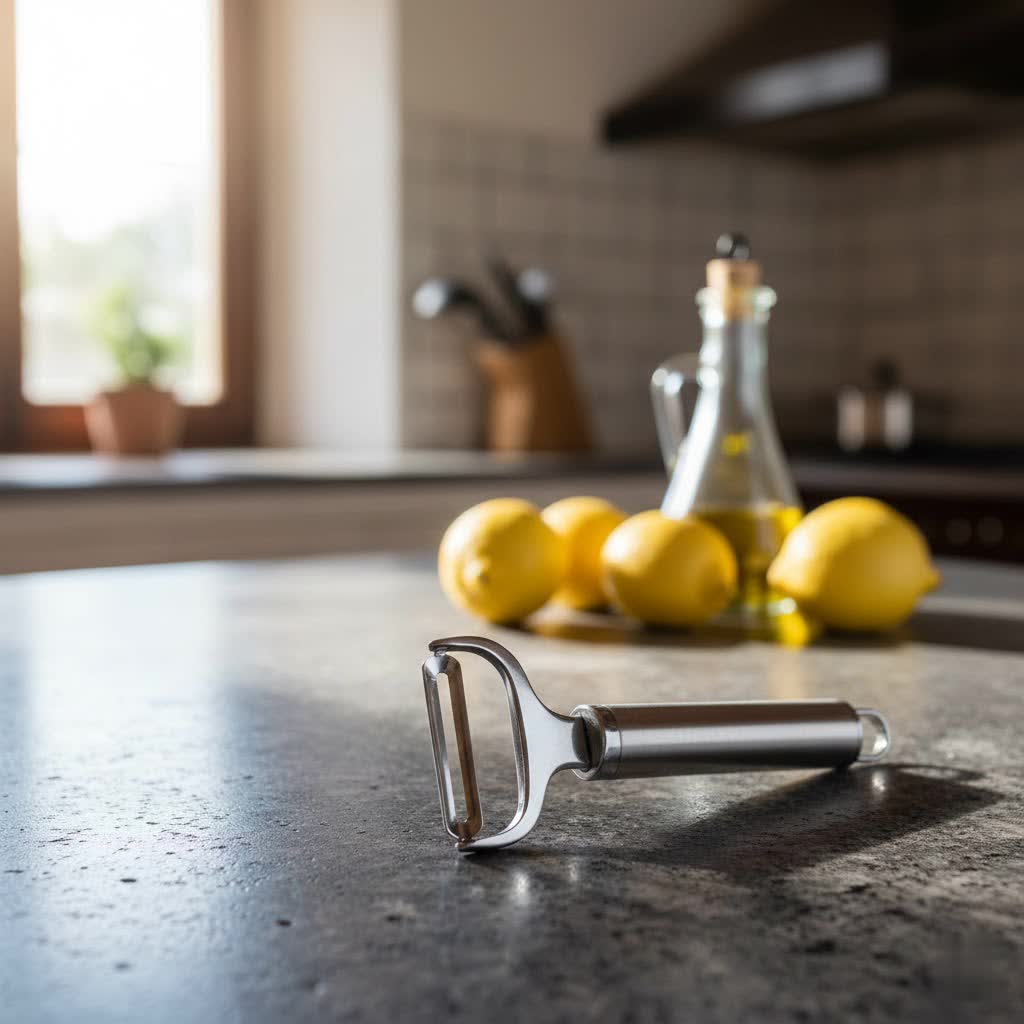
In a world brimming with high-tech gadgets, there’s a unique satisfaction that comes from using a tool perfected over generations. Among these enduring kitchen essentials, the Old Fashioned Potato Peeler stands out as a testament to simple, effective design. Far from being relegated to dusty antique shops, these classic peelers continue to be cherished by home cooks and culinary professionals alike for their robust construction, straightforward functionality, and undeniable nostalgic appeal. Whether you’re aiming for precision or simply appreciate the enduring quality of tools built to last, understanding the heritage and nuances of old fashioned potato peelers can transform your kitchen experience. Let’s delve into the world of these venerable tools and uncover why they remain an indispensable part of countless kitchens.
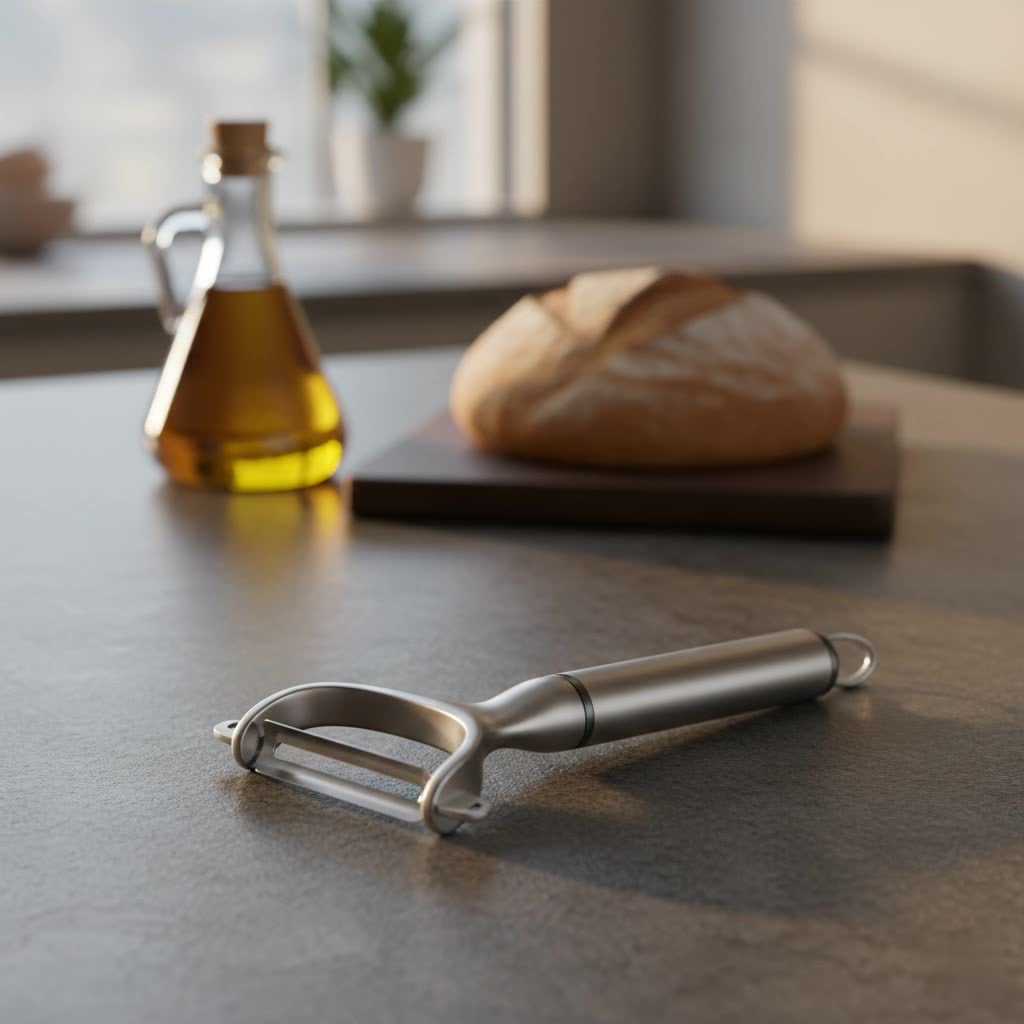
Old Fashioned Potato Peelers: An Overview and Classic Choices
What truly defines an “old fashioned” potato peeler? It’s often characterized by its inherent simplicity, robust material construction, and time-tested design that prioritizes function over fleeting trends. These tools were crafted to be reliable workhorses in the kitchen, often passed down through families due to their exceptional longevity and efficiency in performing essential tasks. In an era before electric appliances became ubiquitous, these manual peelers were the backbone of food preparation, making them a foundational element of culinary history.
Classic potato peelers typically fall into a few primary categories, each with its own legacy and preferred peeling style:
- Straight Peelers: Resembling a paring knife, straight peelers feature a blade that runs parallel to the handle. This design is often favored for its intuitive, knife-like motion, especially suitable for peeling longer vegetables.
- Fixed Blade Straight Peelers: Examples include the Lancashire peeler, often recognized by its round wooden handle and sometimes a single-edged blade, and the French Econome, patented in 1928, known for its simple yet effective fixed blade design with two slits. These offer stability and direct control.
- Swivel Blade Straight Peelers: The Jonas peeler, designed in Sweden in 1953, is a prime example. It features a pivoting blade attached to an oblong metal loop handle, allowing the blade to self-adjust to the contours of fruits and vegetables. Its dual-edged blade permits peeling in both directions and with either hand, making it incredibly versatile. For decades, the Jonas peeler became a standard in many American kitchens.
- Y-Shaped Peelers (Speed Peelers): Distinctively shaped like the letter “Y,” these peelers have a blade positioned perpendicular to the handle. They are often praised for their efficiency and comfortable, ergonomic grip, which can reduce wrist strain during extended use.
- The Zena Rex peeler, invented in Switzerland in 1947 by Alfred Neweczerzal, is arguably the most iconic Y-peeler. With its one-piece aluminum handle and pivoting carbon steel blade, the Rex quickly became a global sensation, even featured on a Swiss postage stamp in 2004. These peelers commonly include an “eye gouger,” a small loop of metal designed to easily remove blemishes from potatoes. The Zena Star is its stainless steel variant.
- Hand-Crank Peelers: While less common for everyday tasks, traditional hand-cranked peelers, often made of cast iron, represent another facet of old fashioned peeling. Primarily designed for apples but capable of handling potatoes, these mechanical devices peel, core, and sometimes slice with a turn of a crank, ideal for processing larger quantities.
Each type offers a distinct user experience. Fixed-blade straight peelers provide steady control, while swivel-blade straight peelers adapt effortlessly to varied shapes. Y-peelers, particularly the classic Swiss designs, excel in speed and maneuverability around irregular contours. The appeal of these old fashioned designs lies in their reliability and the enduring quality that has allowed many to survive in working condition for generations.
Key Factors to Consider in a Traditional Potato Peeler
When seeking an old fashioned potato peeler, several key factors contribute to its enduring performance and user satisfaction. These elements were paramount in the design of these classic tools and remain relevant today.
Blade Material: The Edge of Tradition
The choice of blade material is fundamental to a peeler’s performance and maintenance requirements. Traditional peelers often utilized materials known for their sharpness and durability.
- Carbon Steel: Historically, many of the sharpest old fashioned peelers featured carbon steel blades. This material is renowned for its exceptional sharpness and ability to maintain a keen edge through extensive use. Chefs often praise carbon steel for its clean, efficient cuts. However, carbon steel is prone to rusting if not properly cared for. It requires immediate hand washing and thorough drying after each use, and some owners even oil the blade for long-term storage to prevent corrosion.
- Stainless Steel: As metallurgy advanced, stainless steel became a popular choice for peeler blades. It offers superior resistance to rust and corrosion, making it a lower-maintenance option ideal for modern kitchens. While stainless steel blades may not always achieve the razor-sharpness of carbon steel or hold their edge for quite as long, they are incredibly durable and can withstand frequent dishwasher cleaning without compromising performance. Many classic peeler designs, including later versions of the Rex peeler (the Zena Star), adopted stainless steel for its practicality.
|
Our Picks for the Best Potato Peeler in 2026
We may earn a commission when you use one of our links to make a purchase.
|
||
| Num | Product | Action |
|---|---|---|
| 1 | 2Packs Premium Vegetable Peeler with Wooden Handle and Bottle Opener Stainless Steel Blade Kitchen Tool for Fruit A pple Potato Pumpkin Papaya Zucchini, With Fruit/Vegetable Brush |

|
| 2 | Vegetable Peeler, Multifunction Potato Peelers Stainless Steel Julienne Peeler for Carrots Potatoes Cucumber Squash Melons Fruit |
|
| 3 | Beneno Swivel Vegetable Peeler, Razor-Sharp Smooth Peeling Potato Peelers with Stainless Steel Blades, Ergonomic Comfort Non-Slip Rubber Handle, Durable Kitchen Peelers with Potato Eye Remover, Black |
|
| 4 | Farberware Euro Peeler, a Kitchen Essential for Quick and Easy Peeling of Produce, Chocolate, Cheeses and More. Features Hang-Hole for Easy Storage, Dishwasher Safe, Black |
|
| 5 | Linden Sweden Original Jonas Vegetable Peeler - Rust Resistant Silver Carrot and Potato Peeler with Ergonomic Handle for Safety and Control - Dishwasher Safe and Compact - Made In Sweden - 6.5in |
|
| 6 | Vegetable, Apple Peelers for kitchen, Fruit, Carrot, Veggie, Potatoes Peeler, Y-Shaped and I-Shaped Stainless Steel Peelers, with Ergonomic Non-Slip Handle & Sharp Blade, Good Sturdy (2PCS) |
|
| 7 | Starfrit Rotato Express Electric Peeler - 2 Spare Blades - Safe & Easy to Use - Effortlessly Peels Vegetables and Fruit |
|
| 8 | OXO Good Grips Y-Peeler |
|
| 9 | OXO Good Grips Swivel Vegetable Peeler |
|
| 10 | Spring Chef Premium Swivel Vegetable Peeler, Soft Grip Handle and Ultra Sharp Stainless Steel Blades - Perfect Kitchen Peeler For Veggie, Fruit, Potato, Carrot, Apple - Black |
|
While ceramic blades are a modern innovation lauded for their extreme sharpness and resistance to food browning, they are not typically found in truly old fashioned designs. Their brittle nature also requires more delicate handling compared to robust metal blades.
Handle Design: Comfort in Simplicity
The handle of an old fashioned potato peeler speaks volumes about its heritage and intended use. Early designs often featured natural and durable materials.
- Materials: Traditional handles were commonly crafted from wood, metal (such as cast iron or aluminum), or early forms of durable plastic like Bakelite. Wood offers a warm, natural grip that can improve with age, while metal handles provide a sense of heft and indestructible quality.
- Ergonomics: While modern peelers often boast elaborate ergonomic grips, many old fashioned designs achieved comfort through thoughtful simplicity. Handles were shaped to fit the hand, providing a secure grip, essential for control and safety. The “floating blade” mechanism in swivel peelers, for instance, naturally adapted to food contours, making the peeling motion smoother. A well-designed handle, regardless of its era, should feel balanced and comfortable, minimizing hand fatigue during prolonged peeling sessions.
Durability and Longevity: Built to Last
One of the most compelling aspects of old fashioned potato peelers is their incredible durability. These tools were not designed to be disposable; they were built to endure.
- Construction: Their longevity stems from solid construction and the use of high-quality, resilient materials. Minimal moving parts often translated to fewer points of failure, making them exceptionally reliable. Many “Buy It For Life” enthusiasts specifically seek out these vintage or traditionally made peelers because they have proven their ability to withstand decades of rigorous kitchen use. Unlike many modern, mass-produced items, old fashioned peelers often embody a craftsmanship that prioritized sturdiness and lasting performance.
Ease of Cleaning: Straightforward Maintenance
The simple designs of old fashioned potato peelers inherently lend themselves to easy cleaning, although material considerations play a role.
- Design: Most straight and Y-peelers have open, uncomplicated structures, making them easy to rinse and wipe clean. There are fewer nooks and crannies for food particles to hide compared to some multi-functional modern tools.
- Care: For carbon steel blades, immediate hand washing and thorough drying are critical to prevent rust. Stainless steel versions, on the other hand, are typically dishwasher-safe, offering maximum convenience. Avoiding prolonged soaking, especially for peelers with wooden or early plastic handles, helps prevent warping or cracking and preserves the tool’s integrity. Proper, straightforward maintenance ensures these enduring tools remain in prime condition for years to come.
Comparing Popular Old Fashioned Potato Peelers
The landscape of old fashioned potato peelers is rich with iconic designs that have left a lasting impact on kitchens worldwide. Understanding their distinct characteristics can help you appreciate their individual merits.
| Feature | French Econome | Jonas Peeler | Zena Rex Peeler | Famos Peeler (Deimel) |
|---|---|---|---|---|
| Blade Type | Fixed straight | Pivoting straight | Pivoting Y-shape | Movable straight |
| Handle Design | Classic, often metal or wood | Oblong metal loop | One-piece aluminum | Classic, often metal or plastic |
| Blade Material | Steel | Stainless Steel | Carbon Steel (original) | Steel |
| Noteworthy | Invented 1928; two slits for efficient peeling | Invented 1953 (Sweden); ambidextrous, dual-edged; standard in US | Invented 1947 (Switzerland); Swiss design icon; includes “eye gouger” | Patented 1936 (Germany); known for robustness and continued production |
| Pros (old-style) | Excellent stability and control for long, straight strokes | Highly versatile, comfortable for both left and right-handed users; adaptable to various produce shapes | Extremely efficient, natural wrist position, effective eye gouger; lightweight yet sturdy | Durable construction, reliable and effective for consistent peeling |
| Cons (old-style) | Less agile on irregular shapes compared to swivel or Y-peelers | Can be less precise on very small or uniquely shaped items than fixed blades | Original carbon steel requires careful cleaning to prevent rust; some may find the Y-shape takes getting used to | Fixed blade design can be less adaptable to irregular contours |
Detailed Comparison:
The French Econome represents a minimalist approach, providing solid control with its fixed straight blade. It’s a no-frills tool that gets the job done reliably, especially for root vegetables that allow for long, even strokes. Its simple, sturdy construction has ensured its longevity.
The Jonas Peeler from Sweden introduced a significant innovation with its pivoting straight blade. This design, which allows the blade to glide over bumps and curves, revolutionized peeling for many. Its ambidextrous nature and comfortable metal loop handle made it an instant classic, and its robust stainless steel construction ensures it remains a kitchen staple today.
Perhaps the most famous of the “old fashioned” designs is the Zena Rex Peeler. This Swiss invention epitomizes efficient, ergonomic design in a Y-shaped format. The Rex’s carbon steel blade delivers exceptional sharpness, making quick work of potatoes and other vegetables, while its integrated potato eye remover adds to its practicality. The lightweight aluminum handle and distinctive shape make it instantly recognizable and highly effective.
The Famos Peeler, patented in Germany in 1936 by Albert Deimel, stands as another testament to enduring design. This peeler with its longitudinally mounted movable blade is still in production today, a clear indicator of its lasting quality and effectiveness. Its sturdy construction provides a sense of reliability and control, favored by those who appreciate robust, straightforward tools.
While each of these old fashioned peelers boasts unique design philosophies, they all share a common thread: a commitment to durable materials and effective, unpretentious performance that has stood the test of time.
Your Buying Guide to an Authentic Old Fashioned Potato Peeler
Choosing an old fashioned potato peeler isn’t just about utility; it’s about investing in a piece of culinary history and appreciating craftsmanship. Here’s how to make an informed choice that will serve your kitchen for years.
Defining Your Peeling Needs
Before you begin your search, consider how you typically peel and what you expect from your tool.
- Types of Produce: Do you primarily peel potatoes, or a variety of fruits and vegetables? For long, straight items like carrots, a straight peeler might be intuitive. For bumpy potatoes or delicate fruits, a Y-peeler with its enhanced maneuverability could be more efficient.
- Frequency of Use: If you peel frequently, comfort and efficiency are paramount. Y-peelers often offer a more natural wrist position, reducing strain during extended use.
- Hand Comfort and Dexterity: Test different handle shapes and sizes if possible. Some individuals find the thin metal handles of certain classic designs less comfortable than thicker, more modern ergonomic grips, while others prefer their minimalist feel and control.
- Blade Preference: Do you value ultimate sharpness (carbon steel) and don’t mind extra maintenance, or do you prefer rust resistance and ease of cleaning (stainless steel)?
Discovering Reputable Brands and Makers
While the term “old fashioned” often refers to vintage items, many classic designs are still produced by reputable manufacturers who uphold traditional quality.
- Contemporary Classics: Look for brands that continue to produce their historically significant peelers. For instance, Victorinox now produces the iconic Rex peeler, maintaining its Swiss heritage. Linden Sweden continues to make the original Jonas Peeler, known for its enduring quality. The Westmark Famos Peeler is another example of a design from the 1930s that remains available and highly regarded.
- Vintage Markets: For genuine antique peelers, online marketplaces like eBay and Etsy are excellent sources. Here, you might discover original Ekco, Androck, or other vintage brands. Be sure to examine photos closely for condition.
- Origin of Craftsmanship: Consider products from countries with a reputation for quality kitchen tools, such as Switzerland, Sweden, or Germany, as these often reflect a long tradition of precision manufacturing.
Reading Reviews and Assessing Value
When evaluating peelers, especially vintage ones, focus on the aspects that contribute to long-term satisfaction.
- Longevity and Blade Retention: Seek feedback on how well the blade maintains its sharpness over time and how durable the overall construction is. Look for comments that mention years of reliable use.
- Ease of Use: Reviews often highlight how smoothly a peeler glides, its ability to navigate contours, and whether peels get easily stuck.
- Value Beyond Price: An “old fashioned” peeler’s value isn’t solely determined by its initial cost. A higher upfront investment in a durable, well-made tool that lasts for decades can be far more economical than repeatedly replacing cheaper, flimsy alternatives. Embrace the “Buy It For Life” philosophy when selecting a truly enduring peeler.
Checking for Quality and Authenticity
When purchasing an old fashioned potato peeler, especially a vintage piece, a thorough inspection is crucial.
- Blade Condition: The blade should be sharp and free from excessive nicks or bends. For carbon steel, some patina is normal, but deep pitting rust indicates poor care.
- Handle Integrity: Ensure the handle is secure and free from cracks, wobbles, or significant damage. Wooden handles should be smooth, not splintered.
- Functionality: If it’s a swivel peeler, check that the blade pivots smoothly. For hand-crank models, ensure all mechanisms turn freely and engage correctly.
- Authenticity Marks: Look for brand names, patent dates, or “Made in” markings that can help authenticate older pieces and attest to their original quality. While replacement blades are common for modern peelers, they are less often available for truly antique models, so the condition of the original blade is paramount.
Top Picks: Enduring Old Fashioned Potato Peelers
For those looking to embrace the simplicity and effectiveness of traditional kitchen tools, several old fashioned potato peelers stand out for their historical significance, proven performance, and continued availability. These represent the best of enduring design and craftsmanship.
- Kuhn Rikon Original Swiss Peeler (Y-Peeler): While a modern production, the Kuhn Rikon Original Swiss Peeler is a direct descendant and a highly popular, affordable iteration of the classic Zena Rex design. It features a super-sharp carbon steel blade and a lightweight, simple plastic handle. Praised for its efficiency, it glides through potatoes and other vegetables, producing thin peels with minimal waste. Its carbon steel blade holds an edge exceptionally well, making it a favorite for quick and clean peeling. The only caveat is the need for immediate cleaning and drying to prevent rusting, typical of carbon steel. This peeler embodies the core functionality and sharp performance of classic Swiss Y-peelers, making it an excellent budget-friendly “old fashioned” choice that performs like a dream.
- Linden Sweden Original Jonas Peeler (Straight Swivel): The Jonas Peeler is a true icon of mid-20th century Scandinavian design, first created in 1953. This straight peeler features a pivoting stainless steel blade set in an oblong metal loop handle. Its design allows for ambidextrous use and effective peeling with a simple back-and-forth motion. Known for its robust construction and ergonomic comfort, the Jonas peeler has been a standard in American kitchens for decades, celebrated for its durability and consistent performance. It’s a testament to how a well-engineered, simple tool can remain relevant and highly effective. For those who prefer the straight peeler style, the Jonas offers a timeless, high-quality experience.
- Westmark Famos Peeler (Straight Fixed Blade): Representing the German tradition, the Westmark Famos Peeler dates back to a 1936 patent and is still produced today, a clear indication of its enduring quality. This fixed-blade straight peeler is known for its sturdy construction, often featuring a metal handle and a reliable steel blade. It provides excellent control for precise peeling, making it a favorite for those who value stability over a swivel action. The Famos is a no-nonsense tool that exemplifies the robust, straightforward engineering characteristic of many durable old fashioned kitchen implements. It’s built to last and provides consistent, dependable performance.
These top picks demonstrate that the spirit of the old fashioned potato peeler is alive and well, offering modern cooks the chance to experience the timeless efficiency and satisfaction of tools crafted with durability and purpose in mind.
Conclusion
The enduring appeal of the old fashioned potato peeler transcends mere nostalgia; it’s a recognition of superior design, robust materials, and an unwavering commitment to functionality. These kitchen workhorses, from the swift Zena Rex Y-peeler to the versatile Jonas swivel peeler and the sturdy Famos fixed-blade, remind us that the best tools are often the simplest ones. They highlight an era when kitchen implements were crafted to last a lifetime, becoming cherished heirlooms rather than disposable gadgets.
When selecting your own old fashioned potato peeler, remember to consider the blade material for optimal sharpness and durability, assess the handle design for comfortable and controlled use, and prioritize tools built for longevity. Embracing these timeless designs not only enhances your kitchen efficiency but also connects you to a rich culinary heritage, proving that some classics truly never go out of style. So, which enduring kitchen tool will find a permanent home in your culinary arsenal?
Câu Hỏi Thường Gặp
What makes a potato peeler “old fashioned”?
An “old fashioned” potato peeler typically refers to designs that have existed for several decades or longer, characterized by their simple mechanics, robust construction, and often classic materials like carbon steel blades, wooden handles, or sturdy metal. These tools prioritize durability and straightforward effectiveness over complex features or modern aesthetics.
Are old fashioned potato peelers better than modern ones?
“Better” is subjective, but old fashioned peelers often excel in durability, longevity, and a no-frills, reliable performance. Many cooks find their simple design and sharp blades exceptionally efficient. Modern peelers might offer advanced ergonomics, specialized features (like serrated or julienne blades), or ceramic materials, but for sheer robustness and time-tested efficacy, old fashioned designs hold their own.
How do you maintain a carbon steel old fashioned peeler?
To maintain a carbon steel old fashioned peeler, always hand wash it immediately after use with mild soap and thoroughly dry it to prevent rust. Avoid soaking or putting it in the dishwasher. For long-term storage, you might consider wiping the blade with a thin layer of food-grade mineral oil to protect it from moisture.
Can old fashioned peelers be sharpened?
Yes, most old fashioned peelers with carbon steel or stainless steel blades can be sharpened or honed. A knife steel or a fine sharpening stone can be used to realign and restore the blade’s edge. However, specific types like ceramic blades (found in some modern peelers, not old fashioned ones) or serrated blades typically require professional sharpening or replacement.
What’s the origin of the potato peeler?
The concept of peeling tools dates back to simple knives, but specialized potato peelers emerged in the late 19th and early 20th centuries. Notable patents include the German Famos peeler in 1936 and the Swiss Zena Rex peeler in 1947. These innovations brought the dedicated, efficient peeler design we recognize today into widespread use.