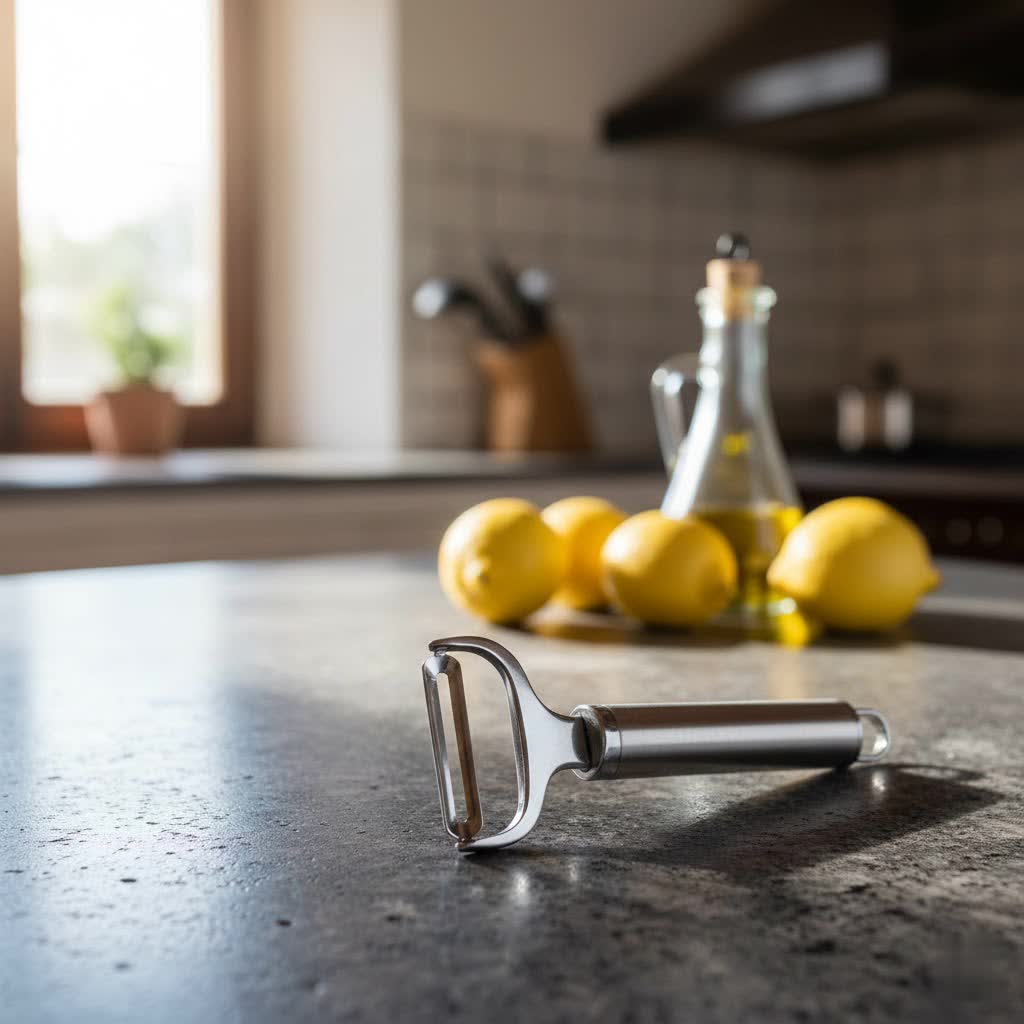
For over a decade, I’ve delved into the world of peeling tools, testing hundreds of designs, from the simplest to the most innovative. As the Admin of reviewraui.com, my goal is to equip you with the knowledge to select the perfect potato peeler for your culinary adventures. A good potato peeler isn’t just a kitchen gadget; it’s a fundamental tool that transforms tedious prep work into a swift, satisfying experience, enhancing safety and efficiency in your daily cooking. Let’s explore the diverse landscape of potato peelers and find the optimal solution for your home kitchen.
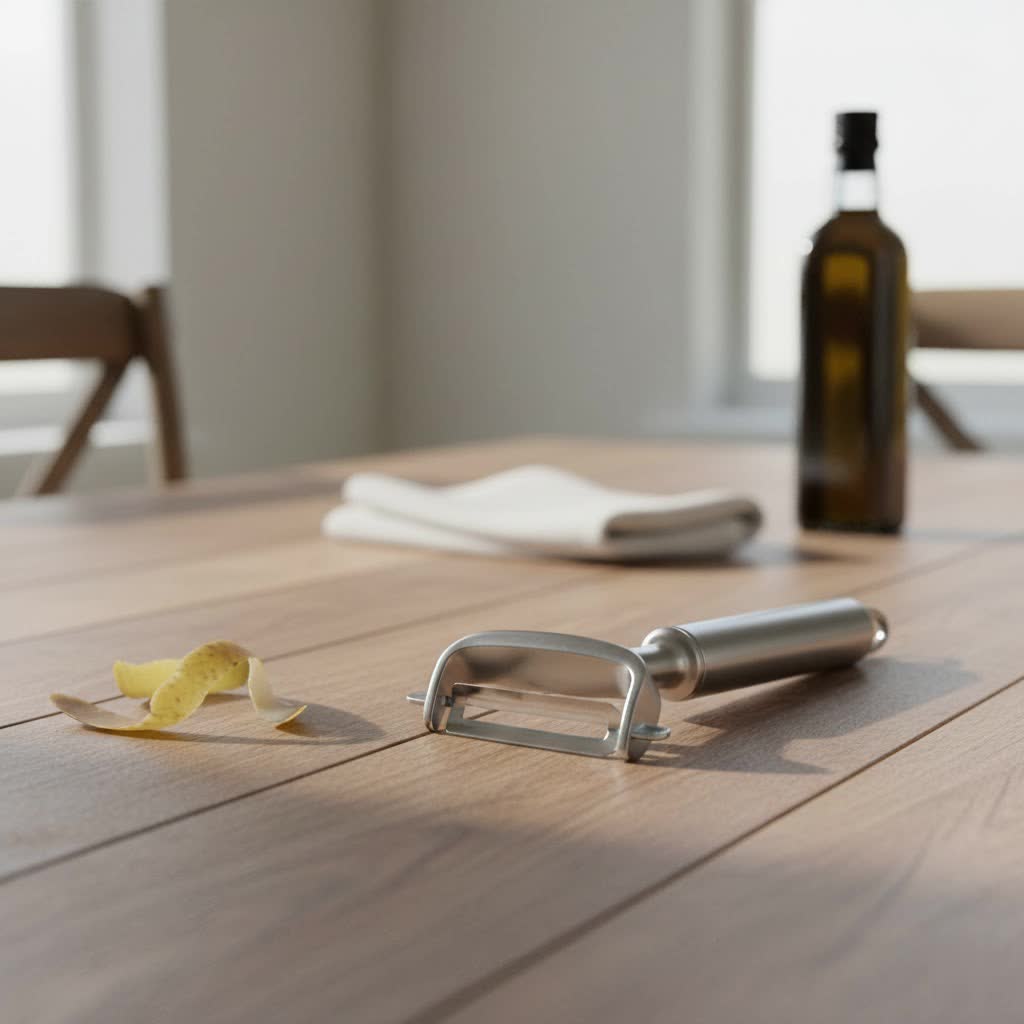
Potato Peelers: Overview and Best Choices
The humble potato peeler is an indispensable item in any well-equipped kitchen, crucial for quickly and safely removing the skins from potatoes and a myriad of other vegetables and fruits. While seemingly simple, these tools come in various forms, each offering distinct advantages for different peeling tasks and preferences. Understanding the different types available is the first step to finding your ideal kitchen companion.
The market generally features two primary types of manual potato peelers: straight (or swivel) peelers and Y-shaped (or horizontal) peelers. Straight peelers, often resembling a knife with a guarded blade, have a blade parallel to the handle. They are typically used with a back-and-forth motion and excel at navigating the contours of smaller produce and removing potato eyes precisely. Y-shaped peelers, named for their ‘Y’ form, feature a blade perpendicular to the handle. Many home cooks and professional chefs prefer them for their ergonomic grip and efficient, downward peeling motion, which can reduce wrist strain and speed up the process, especially with larger vegetables. Beyond these, specialized peelers like those with serrated blades are designed for delicate skins on fruits like tomatoes or peaches, while julienne peelers create fine strips for salads and garnishes. For those tackling large quantities, electric peelers offer speed but demand more counter space and less versatility for small, intricate jobs.
Essential Factors for Selecting Your Potato Peeler
Choosing the right potato peeler involves more than just picking the first one you see. Several key elements contribute to its performance, comfort, and longevity in your kitchen. Considering these factors will ensure you invest in a tool that truly meets your needs and enhances your cooking experience.
Blade Material
The blade is the heart of any potato peeler, and its material significantly impacts sharpness, durability, and maintenance.
- Stainless Steel: This is the most common blade material for Home Potato Peelers, prized for its excellent rust resistance and general durability. Stainless steel blades are less prone to breaking if dropped and are often dishwasher-safe, making cleanup convenient. However, they can dull faster than carbon steel, requiring occasional sharpening or replacement over time. They offer a good balance of performance and ease of care, suitable for most home cooks.
- Carbon Steel: Favored by many professional chefs for its exceptional sharpness, carbon steel provides a superior cutting edge that glides effortlessly through tough skins. The trade-off is its susceptibility to rust if not dried immediately after washing. Carbon steel blades can also be more brittle, potentially chipping or breaking if subjected to impact. If you prioritize razor-sharp precision and are diligent about maintenance, carbon steel can be an excellent choice.
- Ceramic: While less common for the main peeling blade, ceramic blades are known for their extreme sharpness and ability to retain an edge for a very long time. They are also rust-proof and do not transfer metallic tastes. However, ceramic is inherently more fragile than steel and can chip or break easily if dropped or twisted, limiting its practicality for heavy-duty peeling or frequent use where accidental impacts might occur.
|
Our Picks for the Best Potato Peeler in 2026
We may earn a commission when you use one of our links to make a purchase.
|
||
| Num | Product | Action |
|---|---|---|
| 1 | Vegetable Peeler, Multifunction Potato Peelers Stainless Steel Julienne Peeler for Carrots Potatoes Cucumber Squash Melons Fruit |

|
| 2 | Vegetable, Apple Peelers for kitchen, Fruit, Carrot, Veggie, Potatoes Peeler, Y-Shaped and I-Shaped Stainless Steel Peelers, with Ergonomic Non-Slip Handle & Sharp Blade, Good Sturdy (2PCS) |
|
| 3 | OXO Good Grips Swivel Vegetable Peeler |
|
| 4 | Spring Chef Premium Swivel Vegetable Peeler, Soft Grip Handle and Ultra Sharp Stainless Steel Blades - Perfect Kitchen Peeler For Veggie, Fruit, Potato, Carrot, Apple - Black |
|
| 5 | Linden Sweden Original Jonas Vegetable Peeler - Rust Resistant Silver Carrot and Potato Peeler with Ergonomic Handle for Safety and Control - Dishwasher Safe and Compact - Made In Sweden - 6.5in |
|
| 6 | Farberware Euro Peeler, a Kitchen Essential for Quick and Easy Peeling of Produce, Chocolate, Cheeses and More. Features Hang-Hole for Easy Storage, Dishwasher Safe, Black |
|
| 7 | OXO Good Grips Y-Peeler |
|
| 8 | Starfrit Rotato Express Electric Peeler - 2 Spare Blades - Safe & Easy to Use - Effortlessly Peels Vegetables and Fruit |
|
| 9 | Beneno Swivel Vegetable Peeler, Razor-Sharp Smooth Peeling Potato Peelers with Stainless Steel Blades, Ergonomic Comfort Non-Slip Rubber Handle, Durable Kitchen Peelers with Potato Eye Remover, Black |
|
| 10 | 2Packs Premium Vegetable Peeler with Wooden Handle and Bottle Opener Stainless Steel Blade Kitchen Tool for Fruit A pple Potato Pumpkin Papaya Zucchini, With Fruit/Vegetable Brush |
|
Handle Design
A comfortable and secure grip is paramount for both efficiency and safety when peeling. An ergonomically designed handle can make a significant difference, especially during extended prep sessions.
- Ergonomic Importance: A handle that fits naturally in your hand reduces fatigue and provides better control, minimizing the risk of slips and accidents. Look for contours and shapes that align with your grip, regardless of whether you prefer a straight or Y-shaped peeler.
- Handle Materials:
- Plastic: Lightweight and affordable, plastic handles are common. However, cheaper plastics can become slippery when wet or oily, compromising your grip.
- Rubberized/Soft-Grip: Often found on higher-quality peelers, rubberized or silicone-coated handles offer superior grip, even when wet. This material provides cushioning and prevents slipping, making peeling more comfortable and secure.
- Metal: Some peelers feature all-metal construction. While durable and often sleek, metal handles can also become slippery if not designed with textured or ergonomic elements.
- Grip and Comfort: Test how the peeler feels in your hand. Does it feel balanced? Is it too heavy or too light? Can you maintain a firm grip without straining your hand or wrist? Consider peelers with a built-in “eyer” at the tip, a small, sharp scoop designed to easily remove blemishes or potato eyes without needing a separate tool.
Durability and Longevity
Investing in a durable peeler means it will withstand the rigors of regular kitchen use and serve you reliably for years.
- Assessing Durability: Look for sturdy construction where the blade is securely attached to the handle. Minimal flexing or wobbling indicates a well-made tool. Reviews and brand reputation can also provide insights into a peeler’s expected lifespan. Quality materials, like high-grade stainless steel for the blade and robust, well-integrated handle materials, contribute significantly to overall durability.
- Maintenance for Longevity: Proper care is crucial. Always hand wash peelers with carbon steel blades immediately after use and dry them thoroughly to prevent rust. Even stainless steel benefits from prompt cleaning and drying. Store your peeler safely to protect the blade edge from damage, ideally in a knife block or a utensil drawer where it won’t knock against other metal objects. Replace blades or the entire peeler when the blade becomes dull beyond sharpening or if the handle shows signs of cracking or degradation.
Ease of Cleaning
After a satisfying cooking session, the last thing you want is a complicated cleanup. A peeler that is easy to clean will save you time and effort.
- Dishwasher Safe: Many stainless steel and some plastic-handled peelers are dishwasher safe, offering maximum convenience. Always check the manufacturer’s instructions.
- Hand Washing: For carbon steel blades or peelers with delicate handle materials, hand washing is recommended. Look for designs that don’t have hard-to-reach crevices where food particles can get trapped. A quick rinse under running water and a gentle scrub with a brush or sponge are usually sufficient. Ensuring the peeler is thoroughly dry before storage prevents water spots and potential rust.
Comparing Popular Potato Peeler Types
To help you visualize the differences, here’s a comparative look at the main types of potato peelers, focusing on their practical application in a home kitchen.
| Feature | Straight (Swivel) Peeler | Y-Shaped Peeler | Electric Peeler |
|---|---|---|---|
| Blade Material | Stainless Steel, Carbon Steel | Stainless Steel, Carbon Steel, Ceramic | Stainless Steel |
| Handle Design | Inline with blade, often rounded or slightly ergonomic | Perpendicular to blade, often features broader, ergonomic grips | Base unit with potato holder, sometimes no direct handle |
| Durability | Good, depends on materials and construction | Excellent, especially with robust handle materials | Varies by model, generally good for motorized parts, blades replaceable |
| Ease of Cleaning | Usually dishwasher safe (stainless), easy to hand wash | Often dishwasher safe (stainless), easy to hand wash | Base can be tricky, blade attachments usually removable for cleaning |
| Price | Low to Moderate | Low to Moderate | Moderate to High |
| Best For | Smaller produce, detailed peeling, precise eye removal | Large quantities, speed, reduced wrist strain, various produce | Very large batches, consistent peeling, commercial use |
Straight (Swivel) Peelers: These are often the first peeler many home cooks encounter. Their design allows for a pulling or pushing motion, making them versatile for different types of produce, from firm potatoes to softer vegetables like carrots. The swivel action of the blade helps it conform to the irregular shapes of vegetables, minimizing waste. Many appreciate their traditional feel and compact size for storage.
Y-Shaped Peelers: Gaining popularity for their efficiency, Y-shaped peelers are lauded for their ability to peel quickly and with less effort. The ergonomic handle often provides a more secure and comfortable grip, making them ideal for individuals with weaker hand strength or those peeling large batches. Their design also tends to keep the peelings away from your hand, leading to a cleaner workspace.
Electric Peelers: While less common for everyday home use due to their size and single-purpose nature, electric peelers are champions of high-volume peeling. They automate the process, making them excellent for large family gatherings or commercial settings where speed is critical. However, they lack the precision and versatility of manual peelers for delicate tasks or small, oddly shaped produce.
> “The secret to a great potato peeler isn’t just a sharp blade, but how it feels in your hand—comfort and control are non-negotiable for efficient and safe peeling.” – [Your Name/Title, Admin of reviewraui.com], Kitchen Tool Expert
Your Comprehensive Potato Peeler Buying Guide
Navigating the array of potato peelers can be daunting, but with a clear understanding of your needs and what to look for, you can confidently choose the perfect tool. This buying guide walks you through the decision-making process.
Determine Your Usage Needs
Before diving into models, take a moment to consider your typical kitchen routine.
- What produce do you usually peel? If it’s primarily potatoes, a robust Y-peeler or a sharp swivel peeler will serve you well. For a wider range of fruits and vegetables, including soft-skinned ones, you might consider a serrated blade or a versatile swivel peeler.
- How often do you peel? For infrequent use, a basic, reliable stainless steel peeler is likely sufficient. If you’re peeling daily or in large quantities, investing in a high-performance peeler with a comfortable, ergonomic grip and a durable blade will be worthwhile.
- What is your budget? Potato peelers range from a few dollars to premium options. Determine a comfortable price point, remembering that a slightly higher investment often translates to better quality and longevity.
Research Reputable Brands
Certain brands have consistently delivered quality and innovation in kitchen tools. While personal preference plays a role, starting with well-regarded manufacturers can narrow your search.
- OXO Good Grips: Known for their comfortable, non-slip handles, OXO offers excellent Y-shaped and swivel peelers that are highly praised for their ergonomics and sharp stainless steel blades. They are a reliable choice for consistent performance and ease of use.
- Kuhn Rikon: A Swiss brand celebrated for its incredibly sharp carbon steel blades and compact, efficient designs. Their peelers, particularly the original Swiss Peeler, are favorites among those who prioritize a razor-sharp edge and efficient peeling, though they may require more diligent care due to the carbon steel.
- Victorinox: Another Swiss company renowned for its quality knives, Victorinox also produces straightforward, effective peelers that are durable and offer solid performance.
- KitchenAid: While famous for stand mixers, KitchenAid also offers a range of kitchen gadgets, including peelers that combine durability with often vibrant designs.
Look for brands with strong positive reviews and a reputation for customer satisfaction. This often indicates a commitment to quality and thoughtful design.
Read Reviews and Compare Prices
Before making a final decision, leverage the experiences of other users and compare offerings.
- User Reviews: Online reviews offer invaluable insights into a peeler’s real-world performance, comfort, durability, and ease of cleaning. Pay attention to comments regarding blade sharpness over time, handle comfort, and how well it handles different types of produce.
- Price Comparison: Once you’ve identified a few suitable models, compare prices across different retailers. Online marketplaces, department stores, and specialty kitchen shops may offer varying deals. Remember that the cheapest option isn’t always the best value in the long run.
Check Warranty and Return Policies
A good warranty and clear return policy provide peace of mind for your purchase.
- Warranty: A manufacturer’s warranty demonstrates confidence in their product’s quality. Understand what the warranty covers and for how long.
- Return Policy: Familiarize yourself with the retailer’s return policy. This is particularly important for kitchen tools, as ergonomics and feel can be highly subjective. If the peeler doesn’t feel right in your hand after a few uses, a flexible return policy allows you to exchange it for a better fit.
Top Picks: The Best Home Potato Peelers for Your Kitchen
Based on extensive testing and user feedback, here are some of the best potato peelers currently available, catering to different needs and preferences.
- OXO Good Grips Pro Swivel Peeler: Often lauded as a top contender, this swivel peeler combines a super-sharp stainless steel blade with OXO’s signature comfortable, non-slip handle. It glides effortlessly over potatoes and other vegetables, making quick work of prep. Its built-in potato eyer is also a handy feature, making it an excellent all-around choice for most home cooks.
- Kuhn Rikon Original Swiss Peeler: For those who prioritize a razor-sharp edge and a minimalist design, the Kuhn Rikon Original Swiss Peeler is a classic. Its carbon steel blade is incredibly efficient, creating very thin peels. It’s lightweight and exceptionally effective, though it requires immediate hand washing and drying to prevent rusting. Ideal for speed and precision.
- Spring Chef Premium Swivel Vegetable Peeler: This peeler stands out for its sharp, dual-action stainless steel blades and a comfortable, ergonomic handle. It’s highly rated for its smooth peeling action, navigating bumps and curves with ease. The integrated potato eye remover is a thoughtful addition. It represents a fantastic balance of performance and value.
- Victorinox Universal Peeler: A robust and reliable Y-peeler, this model offers excellent sharpness and durability at an attractive price point. Its sturdy design and efficient blade make it a workhorse for everyday peeling tasks, often praised for its simplicity and effectiveness.
When selecting from these top picks, consider your dominant hand, the types of produce you peel most frequently, and any specific ergonomic needs you might have. Each of these peelers offers a superior peeling experience, ensuring your time in the kitchen is more enjoyable and less laborious.
Conclusion
Choosing the right home potato peeler can significantly impact your kitchen efficiency and overall cooking enjoyment. From the quick work of a Y-shaped peeler to the precision of a straight swivel, and the power of an electric option, there’s a perfect tool for every cook and every culinary task. By considering blade material, handle design, durability, and ease of cleaning, you can select a peeler that not only simplifies food preparation but also becomes a cherished, long-lasting part of your kitchen arsenal.
What’s your current go-to peeler, and what feature do you value most in a new one?
Frequently Asked Questions
What are the main types of potato peelers?
The main types of potato peelers are straight (or swivel) peelers, which have a blade parallel to the handle, and Y-shaped (or horizontal) peelers, which have a blade perpendicular to the handle. Electric peelers are also available for high-volume peeling.
Is a stainless steel or carbon steel blade better for a potato peeler?
Stainless steel blades are rust-resistant and durable, suitable for most home cooks, while carbon steel blades are exceptionally sharp and favored by professionals but require more maintenance to prevent rust.
How do I maintain my potato peeler to ensure its longevity?
To extend your peeler’s life, wash it promptly after use, dry it thoroughly, and store it safely to protect the blade. Hand washing is often recommended, especially for carbon steel blades.
Can potato peelers be used for other vegetables and fruits?
Yes, most potato peelers are versatile and can be used for a wide range of produce, including carrots, apples, cucumbers, and even soft-skinned fruits if equipped with a serrated blade.