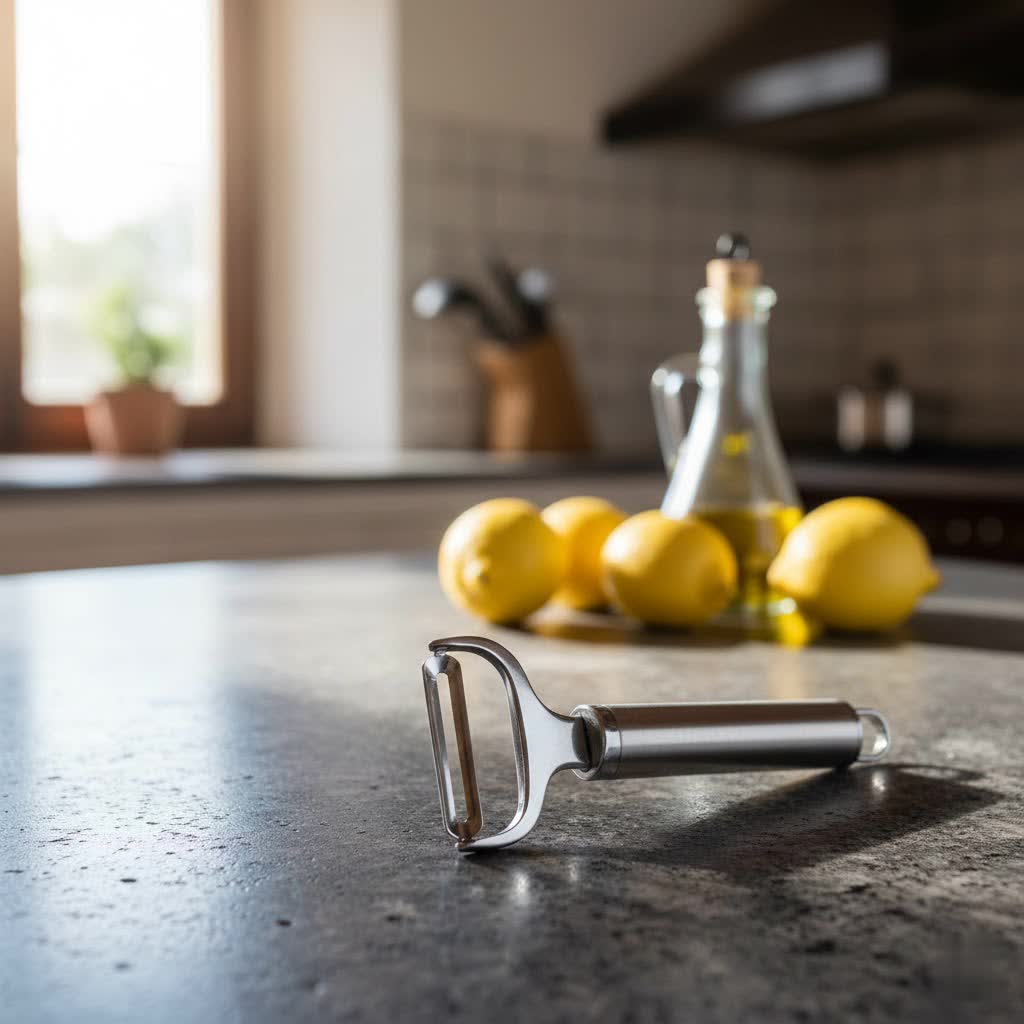
In kitchens worldwide, few tasks are as fundamental—or as dreaded—as peeling vegetables. The right tool can transform this chore from a tedious struggle into a surprisingly satisfying experience. For decades, one name has stood out in the realm of kitchen gadgets for its remarkable blend of simplicity, durability, and sheer effectiveness: the Ekco Potato Peeler. While modern kitchens are flooded with high-tech alternatives, many seasoned cooks and kitchen aficionados still swear by the classic Ekco design, often seeking out vintage models. This article delves into what made the Ekco potato peeler a household legend and guides you in selecting a peeler that meets today’s demands with the spirit of Ekco’s enduring quality.
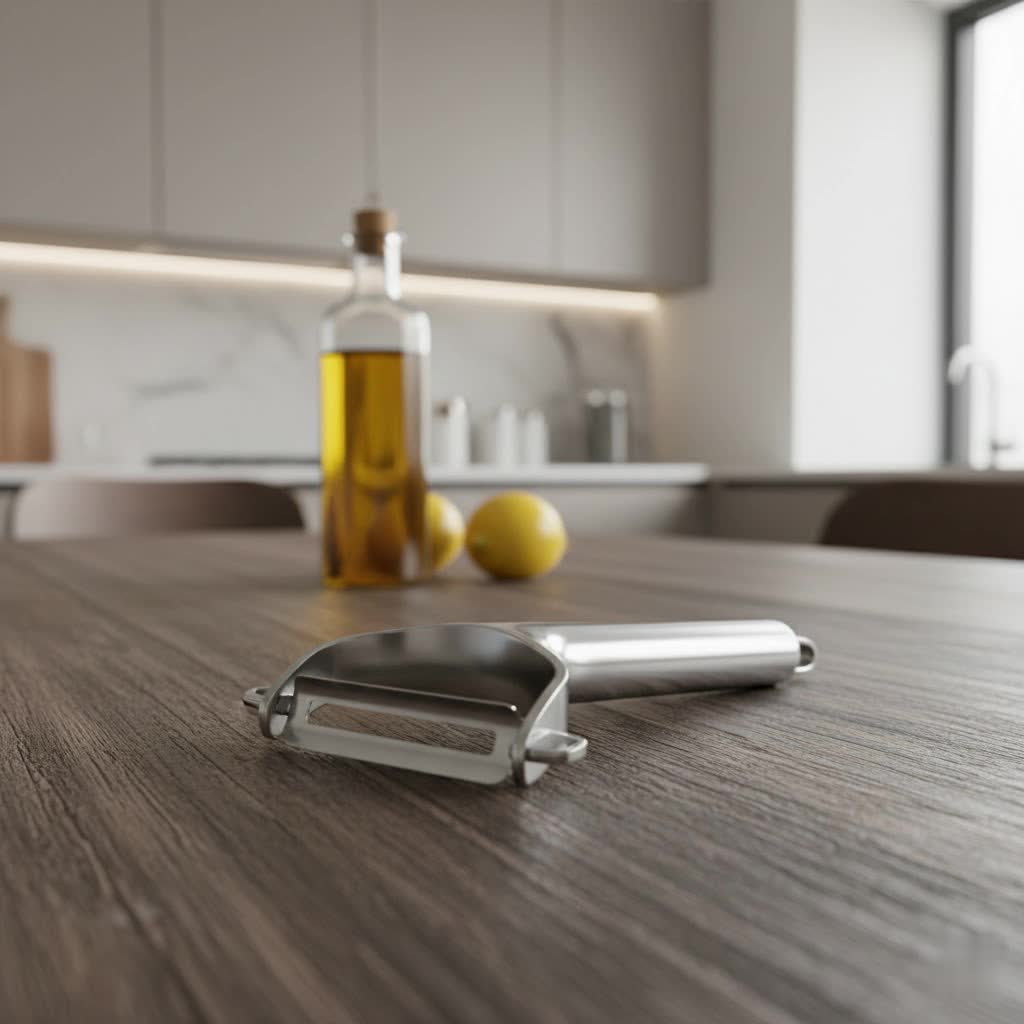
The Ekco Potato Peeler: A History of Innovation and Quality
The story of the Ekco potato peeler is intertwined with a rich history of American manufacturing. Founded by Edward Katzinger in Chicago in 1888, the company initially focused on manufacturing tin pans for commercial bakeries. Over time, it expanded its product lines, eventually becoming the Edward Katzinger Co. and later Ekco Products Co. by 1944. By the mid-20th century, Ekco had solidified its position as a leading manufacturer of kitchen tools and cutlery in the United States.
Ekco’s success wasn’t merely due to volume; it was built on a reputation for producing sturdy, reliable kitchen implements that stood the test of time. Among these, the potato peeler garnered a legendary status. Many owners of vintage Ekco peelers report using them for decades, often inherited from family members, and finding them still superior to newer models. This longevity speaks volumes about the original craftsmanship and design integrity that Ekco brought to everyday kitchen tools. The widespread admiration for these vintage tools highlights a common frustration with the perceived disposability of many contemporary kitchen gadgets.
Understanding Ekco Potato Peeler Designs and Materials
The appeal of the classic Ekco potato peeler lies in its straightforward yet highly functional design, utilizing quality materials to achieve superior performance. Modern peelers draw heavily on these foundational principles, making it essential to understand the core components.
Blade Materials: Stainless Steel vs. Carbon Steel
Historically, Ekco potato peelers, like many high-quality peelers, featured blades made from either stainless steel or carbon steel.
- Stainless Steel: Known for its rust resistance and durability, stainless steel blades are a popular choice. They maintain their edge well and are relatively low maintenance, making them suitable for everyday use and dishwasher cleaning. Many vintage Ekco peelers that have survived decades owe their longevity to robust stainless steel construction.
- Carbon Steel: While less common today in mass-produced peelers due to its susceptibility to rust, carbon steel can achieve and hold a sharper edge than stainless steel. It requires more careful maintenance, such as immediate drying after washing, but many chefs and enthusiasts appreciate its precision. Some older Ekco models might have featured carbon steel, valued for its cutting prowess.
|
Our Picks for the Best Potato Peeler in 2026
We may earn a commission when you use one of our links to make a purchase.
|
||
| Num | Product | Action |
|---|---|---|
| 1 | 2Packs Premium Vegetable Peeler with Wooden Handle and Bottle Opener Stainless Steel Blade Kitchen Tool for Fruit A pple Potato Pumpkin Papaya Zucchini, With Fruit/Vegetable Brush |

|
| 2 | Vegetable, Apple Peelers for kitchen, Fruit, Carrot, Veggie, Potatoes Peeler, Y-Shaped and I-Shaped Stainless Steel Peelers, with Ergonomic Non-Slip Handle & Sharp Blade, Good Sturdy (2PCS) |
|
| 3 | Starfrit Rotato Express Electric Peeler - 2 Spare Blades - Safe & Easy to Use - Effortlessly Peels Vegetables and Fruit |
|
| 4 | Spring Chef Premium Swivel Vegetable Peeler, Soft Grip Handle and Ultra Sharp Stainless Steel Blades - Perfect Kitchen Peeler For Veggie, Fruit, Potato, Carrot, Apple - Black |
|
| 5 | Vegetable Peeler, Multifunction Potato Peelers Stainless Steel Julienne Peeler for Carrots Potatoes Cucumber Squash Melons Fruit |
|
| 6 | Linden Sweden Original Jonas Vegetable Peeler - Rust Resistant Silver Carrot and Potato Peeler with Ergonomic Handle for Safety and Control - Dishwasher Safe and Compact - Made In Sweden - 6.5in |
|
| 7 | OXO Good Grips Y-Peeler |
|
| 8 | Beneno Swivel Vegetable Peeler, Razor-Sharp Smooth Peeling Potato Peelers with Stainless Steel Blades, Ergonomic Comfort Non-Slip Rubber Handle, Durable Kitchen Peelers with Potato Eye Remover, Black |
|
| 9 | Farberware Euro Peeler, a Kitchen Essential for Quick and Easy Peeling of Produce, Chocolate, Cheeses and More. Features Hang-Hole for Easy Storage, Dishwasher Safe, Black |
|
| 10 | OXO Good Grips Swivel Vegetable Peeler |
|
The blades typically found on Ekco peelers are designed for smooth and consistent peeling tasks, often featuring a straight-edge, floating blade design that adapts to the contours of fruits and vegetables.
Handle Design and Ergonomics
The handle is as crucial as the blade for a comfortable and efficient peeling experience. Ekco peelers often featured simple, yet effective, handle designs made from various materials, including:
- Plastic/Bakelite: Many vintage Ekco peelers utilized sturdy plastic or Bakelite handles, offering a lightweight and comfortable grip.
- Wood: Some older or more premium models might have sported wooden handles, providing a classic aesthetic and natural feel.
- Metal: Fully metal constructions ensured maximum durability, though they could be heavier.
- Vinyl-Coated: Modern iterations, such as those under the Tablecraft EKCO® brand, feature vinyl-coated handles designed to offer a steady, non-slip grip during use, enhancing control and reducing hand fatigue.
An ergonomic handle is vital to minimize strain during prolonged use, offering a secure grip even when hands are wet or oily. This focus on user comfort was a hallmark of well-designed kitchen tools, including the best Ekco peelers.
Types of Blades: Straight, Serrated, and Julienne
While most Ekco potato peelers are recognized for their straight or swivel blade designs, peelers in general come with various blade types tailored for specific tasks.
- Straight Blades: These are the most versatile and are excellent for general-purpose peeling of firm fruits and vegetables like potatoes, carrots, and apples. The classic Ekco peeler predominantly features a straight, floating blade.
- Serrated Blades: Ideal for softer produce with delicate skins, such as tomatoes, peaches, or bell peppers, as the serrations grip without tearing.
- Julienne Blades: Designed to create thin strips or “juliennes” of vegetables, perfect for salads, garnishes, or stir-fries.
Ekco peelers are most famously associated with the straight, floating blade design, which allows for efficient, bi-directional peeling, making quick work of root vegetables.
Why the Vintage Ekco Peeler Still Outperforms Many Modern Options
The enduring appeal of the vintage Ekco potato peeler isn’t just nostalgia; it’s rooted in verifiable performance advantages that many users claim surpass numerous contemporary designs.
One of the most frequently lauded features is its ability to produce exceptionally thin peelings, resulting in less waste and preserving more of the vegetable. This efficiency is a significant economic and culinary benefit. Furthermore, many vintage Ekco peelers allowed for peeling in both directions—a practical feature that significantly speeds up the peeling process, especially for tasks like prepping a large batch of potatoes or carrots.
The longevity and robustness of these older models are unparalleled. It’s not uncommon to hear stories of Ekco peelers being used continuously for 40, 50, or even more years without significant degradation. Users often remark on the superior “feel” and control these peelers offer, making them comfortable even for extended use. The frustration expressed by those who have tried and discarded multiple newer peelers reinforces the perceived gap in quality and performance.
“My grandmother’s old Ekco peeler still works better than anything I’ve bought in the last twenty years. They just don’t make them like that anymore.” – A seasoned home cook, echoing a common sentiment.
Key Factors When Choosing Your Next Potato Peeler (Inspired by Ekco’s Principles)
While a vintage Ekco might be a treasure to find, understanding the qualities that made it great can guide your purchase of any potato peeler today.
Assess Your Peeling Needs
Before buying, consider:
- What produce do you peel most often? For hard vegetables, a sharp straight blade is key. For soft fruits, serrated might be better.
- How frequently do you peel? Daily users will benefit most from ergonomic and durable designs.
- What is your grip preference? Do you prefer a slim profile, a thick handle, or a Y-shape?
Prioritize Blade Quality
The blade is the heart of the peeler. Look for:
- High-quality stainless steel: Offers a good balance of sharpness, durability, and rust resistance.
- Edge retention: A blade that stays sharp longer reduces the need for frequent replacement.
- Swivel or floating design: These blades generally adapt better to irregular shapes, making peeling easier and more efficient.
Consider Handle Comfort and Durability
A comfortable and secure grip is paramount, especially during extended use.
- Ergonomics: The handle should fit comfortably in your hand, reducing strain.
- Material: Choose materials that offer good grip even when wet. Vinyl-coated or soft-grip handles are excellent for this.
- Build quality: A solid, well-constructed handle will contribute to the peeler’s overall longevity.
Longevity and Ease of Cleaning
A good peeler should be a long-term investment.
- Durability: Look for robust construction, minimal moving parts that could break, and materials known for their resilience.
- Easy to Clean: Simple designs without intricate crevices are easier to wash by hand or are dishwasher-safe. Proper cleaning and drying will extend the life of any peeler, regardless of its material.
Finding an Ekco Potato Peeler Today & Modern Alternatives
Finding a brand-new, original Ekco potato peeler manufactured by the historical Ekco Products Co. is challenging, as the company underwent various acquisitions and brand changes over the decades. Today, genuine vintage Ekco peelers are primarily found through:
- Online Marketplaces: Sites like eBay and Etsy are common sources for vintage kitchenware, where you might uncover an authentic, well-preserved Ekco peeler. These often come with descriptions from sellers detailing their condition and history.
- Antique Stores and Flea Markets: Local antique shops or flea markets can also be treasure troves for finding these classic tools.
It’s worth noting that the “EKCO® Brand” is still licensed and used by companies like Tablecraft for some current kitchen tools, including peelers. These contemporary “EKCO® Brand” peelers typically feature stainless steel blades and vinyl handles, embodying the brand’s enduring commitment to utility.
If a vintage Ekco isn’t within reach, several highly-rated modern peelers offer excellent performance, often incorporating ergonomic designs and sharp blades that align with the principles Ekco established. Brands like OXO, Kuhn Rikon, and Linden Sweden consistently receive high marks for their potato peelers, featuring comfortable grips, sharp blades, and durable construction.
Conclusion
The Ekco potato peeler stands as a testament to the power of simple, effective design and quality manufacturing. Its legacy of thin peels, robust construction, and comfortable handling continues to influence how we evaluate kitchen tools. While the original Ekco peelers are now collector’s items, their attributes remain the gold standard for any potato peeler worth its salt. By understanding the core elements that made Ekco great—superior blade material, ergonomic handle design, and sheer durability—you can confidently select a peeler that will serve your kitchen faithfully for years to come, whether it’s a cherished vintage find or a top-performing modern alternative.
What qualities do you value most in your ideal potato peeler?
Câu Hỏi Thường Gặp
What are the key features of a vintage Ekco potato peeler?
Vintage Ekco potato peelers are renowned for their durable stainless or carbon steel blades, often featuring a floating, straight-edge design that allows for efficient, bi-directional peeling. They are celebrated for their longevity, comfortable handles (made from materials like plastic, wood, or metal), and ability to produce very thin, consistent peels with minimal waste.
Why are old Ekco peelers considered better than many new ones?
Many users find old Ekco peelers superior due to their exceptional durability, sharp blades that retain their edge, and ergonomic designs that prevent hand fatigue. They are often praised for their ability to peel very thinly and their robust construction, which has allowed them to withstand decades of use, unlike some modern peelers that may break or dull quickly.
Are new Ekco potato peelers available today?
While the original Ekco Products Co. no longer manufactures under its historical structure, the “EKCO® Brand” is licensed to other manufacturers, such as Tablecraft, for a range of kitchen tools, including peelers. These modern versions aim to uphold the brand’s reputation for practical, durable kitchen essentials, typically featuring stainless steel blades and comfortable handles.
What should I look for in a potato peeler if I can’t find a vintage Ekco?
If a vintage Ekco peeler isn’t an option, look for modern alternatives that prioritize a sharp, durable blade (preferably stainless steel), an ergonomic and non-slip handle for comfort and control, and a sturdy overall construction for longevity. Swivel or Y-peeler designs with good user reviews from reputable brands like OXO or Kuhn Rikon are often excellent choices.
How do I care for my potato peeler to ensure its longevity?
To maximize your potato peeler’s lifespan, always wash it promptly after use, either by hand or in a dishwasher if specified by the manufacturer. Dry the blade thoroughly, especially if it’s carbon steel, to prevent rust. Store it safely to protect the blade from damage and to prevent accidents. Regular maintenance helps maintain its sharpness and performance.