Are you tired of the never-ending chore of peeling potatoes, wrestling with clumsy tools that leave you with more waste than usable vegetable? In the realm of kitchen gadgets, the humble potato peeler knife often goes unnoticed, yet its impact on your food preparation can be transformative. From Sunday roasts to quick weeknight dinners, potatoes are a staple, and a quality peeler can turn a tedious task into a swift, satisfying experience.
Many home cooks find themselves reaching for a standard knife, only to discover it’s inefficient and potentially unsafe for the delicate art of peeling. This comprehensive guide will navigate you through the world of potato peelers, helping you understand the different types, key features, and top recommendations. Get ready to discover the perfect tool to streamline your kitchen routine and make peeling a pleasure, not a pain. For shop curated kitchen tools on this site.
Potato Peeler Knife: An Essential Kitchen Companion
In every well-equipped kitchen, certain tools stand out for their ability to simplify daily tasks. The potato peeler knife, a broad term encompassing specialized peelers and sharp paring knives, is undoubtedly one of them. While some chefs prefer the precision of a small paring knife for intricate peeling tasks or removing blemishes, the dedicated peeler offers unparalleled speed and safety for processing larger quantities of vegetables. It’s designed to glide effortlessly, removing only the thin outer skin while preserving the valuable flesh beneath.
Understanding the distinction and utility of each peeling instrument is crucial for optimizing your kitchen workflow. A good peeler minimizes waste, reduces preparation time, and significantly lowers the risk of accidental cuts, making it a cornerstone for efficient and enjoyable cooking.
Unraveling the Types of Potato Peelers
The market offers a diverse array of potato peelers, each designed with specific strengths and user preferences in mind. Familiarizing yourself with these types is the first step toward finding your ideal kitchen companion.
The Agile Y-Peeler (Swiss Peeler)
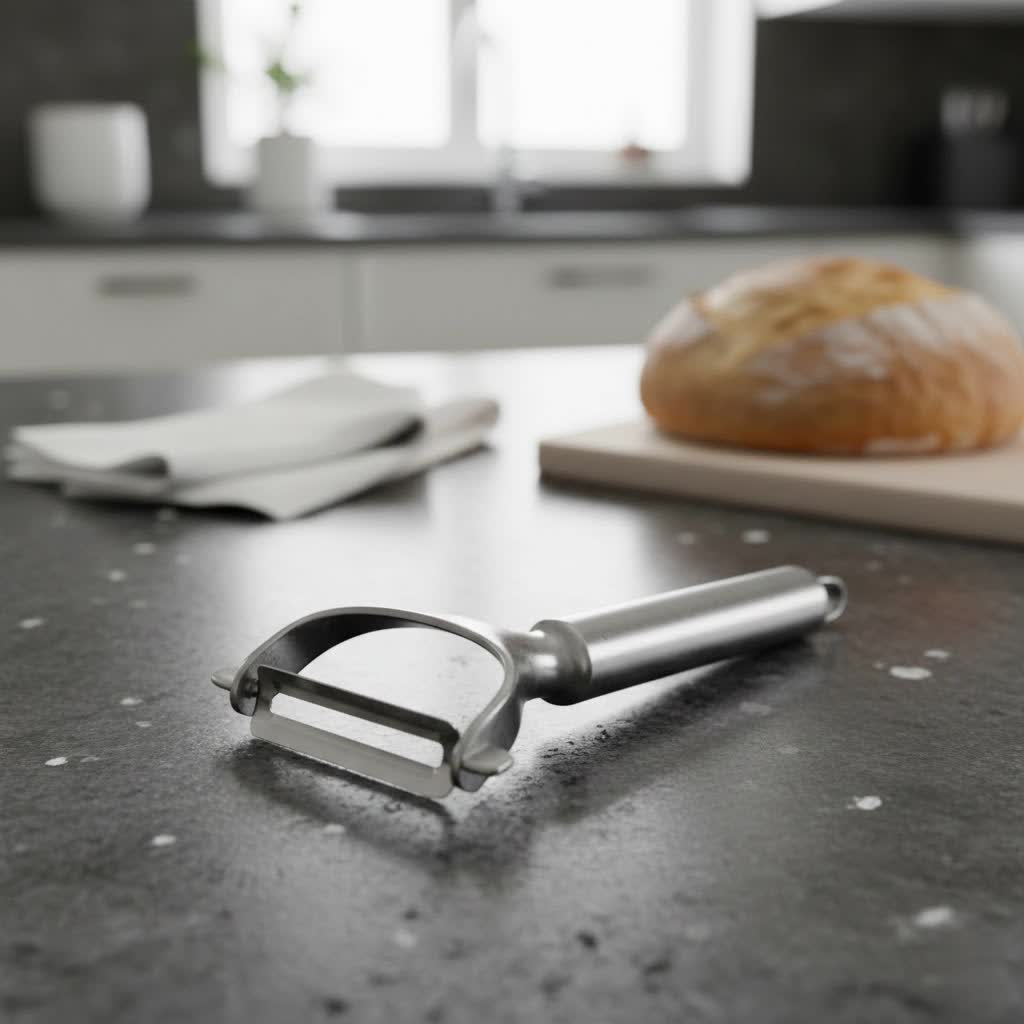
The Y-peeler, often recognized by its slingshot-like shape, features a blade positioned perpendicular to the handle. This design allows for a horizontal peeling motion, pulling the blade towards your body or pushing it away. Many users find Y-peelers to be exceptionally ergonomic, offering superior control and requiring less wrist strain, especially when tackling larger, rounder vegetables like potatoes, apples, or even pumpkins. The wider grip and natural motion make it a favored choice for those with arthritis or anyone seeking maximum efficiency. Most Y-peelers also come equipped with a sharp point or scoop, perfect for effortlessly removing potato eyes and blemishes. Its dual-sided blade often allows for peeling in both directions, further speeding up the process.
The Versatile Swivel and Straight Peelers
|
Our Picks for the Best Potato Peeler in 2026
As an Amazon Associate I earn from qualifying purchases.
|
||
| Num | Product | Action |
|---|---|---|
| 1 | OXO Good Grips Y-Peeler |

|
| 2 | Vegetable Peeler, Multifunction Potato Peelers Stainless Steel Julienne Peeler for Carrots Potatoes Cucumber Squash Melons Fruit |
|
| 3 | Spring Chef Premium Swivel Vegetable Peeler, Soft Grip Handle and Ultra Sharp Stainless Steel Blades - Perfect Kitchen Peeler For Veggie, Fruit, Potato, Carrot, Apple - Black |
|
| 4 | Linden Sweden Original Jonas Vegetable Peeler - Rust Resistant Silver Carrot and Potato Peeler with Ergonomic Handle for Safety and Control - Dishwasher Safe and Compact - Made In Sweden - 6.5in |
|
| 5 | Farberware Euro Peeler, a Kitchen Essential for Quick and Easy Peeling of Produce, Chocolate, Cheeses and More. Features Hang-Hole for Easy Storage, Dishwasher Safe, Black |
|
| 6 | Starfrit Rotato Express Electric Peeler - 2 Spare Blades - Safe & Easy to Use - Effortlessly Peels Vegetables and Fruit |
|
| 7 | Vegetable, Apple Peelers for kitchen, Fruit, Carrot, Veggie, Potatoes Peeler, Y-Shaped and I-Shaped Stainless Steel Peelers, with Ergonomic Non-Slip Handle & Sharp Blade, Good Sturdy (2PCS) |
|
| 8 | Beneno Swivel Vegetable Peeler, Razor-Sharp Smooth Peeling Potato Peelers with Stainless Steel Blades, Ergonomic Comfort Non-Slip Rubber Handle, Durable Kitchen Peelers with Potato Eye Remover, Black |
|
| 9 | 2Packs Premium Vegetable Peeler with Wooden Handle and Bottle Opener Stainless Steel Blade Kitchen Tool for Fruit A pple Potato Pumpkin Papaya Zucchini, With Fruit/Vegetable Brush |
|
| 10 | OXO Good Grips Swivel Vegetable Peeler |
|
Swivel peelers, also known as Jonas peelers, are characterized by a straight handle and a vertical blade that pivots or swivels. This flexible blade mechanism allows it to conform to the contours of fruits and vegetables, making it highly effective for irregularly shaped produce and longer items like carrots, cucumbers, or zucchini. The peeling motion is typically a back-and-forth stroke along the length of the vegetable. Straight peelers are a variation where the vertical blade is fixed, offering a more stable but less adaptable peeling action. While both types are popular and intuitive for many, the swivel variant often provides a smoother experience over bumps and curves.
Specialized Peelers for Specific Needs
Beyond the classic Y and swivel designs, specialized peelers cater to niche culinary demands:
- Serrated Peelers: These feature a finely serrated blade, ideal for delicate and slippery skins like those found on tomatoes, peaches, or kiwis. The serrations grip the skin without crushing the soft fruit underneath, ensuring a clean peel.
- Julienne Peelers: Designed to create uniform, thin strips (juliennes) of vegetables, these peelers are perfect for garnishes, salads, or homemade “zoodles.” They operate similarly to a Y-peeler but feature multiple small blades.
- Rotary Peelers: Less common in home kitchens, these often feature multiple interchangeable blades (standard, julienne, serrated) within a rotating head, offering versatility but sometimes at the cost of precision.
Key Factors to Consider When Choosing Your Potato Peeler Knife
Selecting the right potato peeler knife goes beyond just picking a type; it involves understanding the nuances of its construction and design. Here are the critical factors to evaluate for optimal performance and longevity.
Blade Material Matters
The material of your peeler’s blade significantly impacts its sharpness, durability, and how it interacts with food.
- Stainless Steel Blades: The most common choice, stainless steel offers a good balance of durability and rust resistance. It’s generally low maintenance and often dishwasher safe, making it a practical option for everyday use. While it may require more frequent sharpening than ceramic, its robustness allows it to tackle tougher vegetables with ease.
- Ceramic Blades: Renowned for their exceptional sharpness and ability to hold an edge far longer than steel, ceramic blades excel at minimizing food browning, especially beneficial when processing large quantities. They are also lightweight and won’t impart any metallic taste. However, ceramic is more brittle and prone to chipping if dropped or used on very hard surfaces, requiring more careful handling and often professional sharpening.
- Carbon Steel Blades: Though less common in modern peelers due to their susceptibility to rust, carbon steel blades are prized by some professionals for their ability to achieve and maintain an incredibly sharp edge. They offer superior cutting performance but demand diligent care, including immediate cleaning and drying after use, to prevent corrosion.
Ergonomics and Handle Design
The handle of your potato peeler knife is just as important as its blade for comfort, safety, and efficiency. An ergonomically designed handle fits naturally in your hand, reducing fatigue and providing a secure grip, even during extended peeling sessions.
- Material: Handles come in various materials, including plastic, rubberized compounds, and metal. Rubberized grips are particularly beneficial as they offer a non-slip surface, crucial for safety when your hands are wet or greasy. Metal handles can be durable but may become slippery or cold to the touch.
- Shape and Size: Look for a handle that feels substantial yet balanced in your hand. Some designs are ambidextrous, accommodating both left and right-handed users. The contour should allow for a firm, comfortable hold without causing pressure points.
Durability and Longevity
A good potato peeler knife is an investment, and its durability determines how long it will serve you reliably.
- Construction Quality: Assess the overall build. Are the blade and handle securely joined? Does it feel sturdy or flimsy? High-quality materials and construction prevent premature wear and breakage.
- Edge Retention: Beyond initial sharpness, how long does the blade maintain its cutting edge? This is influenced by the blade material and manufacturing process.
- Replaceable Blades and Warranties: Some premium peelers offer replaceable blades, extending the tool’s lifespan considerably. Furthermore, reputable brands often provide generous warranties, signaling their confidence in the product’s quality. For instance, brands like OXO are known for excellent customer service and product guarantees.
Effortless Cleaning and Maintenance
After a long session in the kitchen, the last thing you want is a tricky tool to clean.
- Dishwasher Safety: Many modern peelers are dishwasher safe, offering convenient cleanup. Always check manufacturer instructions.
- Design for Cleaning: Peelers with smooth, minimal seams or crevices are easier to hand wash, preventing food particles from getting trapped.
- Sharpening: While peelers generally require less frequent sharpening than knives, understanding how to maintain the blade (or if it’s even possible/recommended for ceramic or serrated types) contributes to its long-term performance.
Comparing Popular Potato Peeler Knife Types
To help you visualize the differences and choose wisely, let’s compare the primary types of potato peelers and the traditional paring knife for peeling tasks.
| Feature | Y-Peeler | Swivel/Straight Peeler | Paring Knife |
|---|---|---|---|
| Blade Orientation | Horizontal | Vertical (swivels or fixed) | Fixed (part of knife) |
| Best For | Round, large produce (potatoes, apples, squash), efficient volume peeling | Long, irregular produce (carrots, cucumbers, zucchini), precise contouring | Intricate cuts, removing blemishes/eyes, small produce, thin skins |
| Ergonomics | Excellent control, less wrist strain, often ambidextrous | Intuitive for many, good for forward/backward strokes | Requires skill, can be tiring for large quantities |
| Speed | Very fast, efficient for bulk peeling | Fast for various shapes | Slower, especially for large volumes |
| Safety | Blade away from hand, potato eye removers reduce risk | Blade generally protected by handle, but can slip | Higher risk of cuts, blade fully exposed |
| Waste Reduction | Minimal, thin peels | Minimal, thin peels | Can be higher for inexperienced users |
| Special Features | Often includes potato eye remover, dual-sided blades | Often includes potato eye remover | Versatile beyond peeling (trimming, coring) |
Analysis:
The Y-peeler shines for its speed and ergonomic design, making it the top choice for efficiently tackling piles of potatoes and other round vegetables. Its horizontal blade provides a natural, controlled motion that many find reduces fatigue and increases safety.
Swivel and straight peelers are highly versatile, adapting well to a range of produce shapes. The swivel mechanism allows the blade to navigate curves, making it a good all-rounder for general vegetable preparation.
A paring knife, while not a dedicated peeler, remains a classic tool for those who prefer the fine control for small tasks, intricate work, or removing deep blemishes. However, for sheer volume and safety, it generally falls short compared to specialized peelers.
Your Ultimate Buying Guide for a Potato Peeler Knife
Armed with knowledge about peeler types and features, let’s distill this into a practical buying guide to help you make an informed decision.
Assess Your Peeling Habits
Before you even begin to look at specific models, take a moment to consider your cooking style and needs:
- What do you peel most often? If potatoes, apples, and similar round items are your primary targets, a Y-peeler might be your best bet. For long, slender vegetables, a swivel peeler could be more efficient.
- How frequently do you peel? For occasional use, a basic but sharp stainless steel peeler will suffice. For daily, high-volume peeling, investing in a more durable model with an ergonomic handle and superior blade material is worthwhile.
- What’s your budget? Peelers range from a few dollars to premium options. Determine what you’re willing to spend, keeping in mind that a slightly higher investment often translates to better performance and longevity.
Explore Trusted Brands
While individual product features are important, the reputation of the brand can provide an assurance of quality and reliability. Look for brands known for their kitchen tools, such as:
- OXO Good Grips: Consistently praised for ergonomic designs and comfortable, non-slip handles. They offer excellent swivel and Y-peelers.
- Kuhn Rikon: Famous for their affordable yet incredibly sharp Swiss peelers, particularly their Y-peeler designs.
- Victorinox: A brand synonymous with Swiss precision and quality knives, their peelers often reflect the same high standards.
- Zyliss: Known for innovative designs and sharp blades.
Reading customer reviews can offer insights into real-world performance and durability of specific models from these brands.
Read Reviews and Compare Prices
The collective experience of other users is invaluable. Online reviews provide a wealth of information regarding a peeler’s sharpness, comfort, durability, and ease of cleaning. Pay attention to consistent praise or complaints. Once you’ve narrowed down your choices, compare prices across different retailers to ensure you’re getting the best value. Remember, the cheapest option isn’t always the most cost-effective in the long run if it needs frequent replacement.
Understand Warranty and Return Policies
A good warranty is a testament to a manufacturer’s confidence in their product. Look for peelers that come with a reasonable warranty period or a satisfaction guarantee. This provides peace of mind, knowing that you can replace or return the product if it doesn’t meet your expectations or if defects arise. Companies like OXO, for example, are known for their strong customer service and product guarantees.
Top Picks: Our Recommended Potato Peeler Knives
After years of testing and countless hours spent in the kitchen, I understand the subtle differences that elevate a good peeler to a great one. Here are some of the best potato peeler knives currently on the market, each excelling in its category:
- OXO Good Grips Pro Swivel Peeler: This perennial favorite consistently ranks high for its comfortable, non-slip handle and exceptionally sharp, swiveling stainless steel blade. It glides through skins effortlessly, and the built-in potato eye remover is a thoughtful touch. Ideal for home cooks who appreciate comfort and versatility for various fruits and vegetables.
- Kuhn Rikon Original Swiss Peeler (Y-Peeler): A legendary peeler known for its razor-sharp carbon steel blade (or stainless steel versions) and minimalist, lightweight Y-design. It’s incredibly efficient, making quick work of potatoes and other firm produce. Often very affordable, it’s a fantastic value pick for anyone seeking speed and precise, thin peels.
- Spring Chef Premium Swivel Vegetable Peeler: This peeler offers a comfortable, ridged handle for optimal grip and features dual, straight blades for efficient peeling. It’s praised for its smooth swivel action and durability, often lasting for many years without losing its edge. A robust choice that handles bulk peeling with ease.
- Victorinox Universal Peeler: Combining Swiss precision with functional design, this Y-peeler often features an ultra-sharp serrated blade, making it excellent for both tough-skinned vegetables and delicate produce like tomatoes or peaches. Its ambidextrous design and robust construction ensure a long lifespan.
- Kyocera Ceramic Y-Peeler: For those prioritizing extreme sharpness and edge retention, Kyocera’s ceramic peeler is a standout. It’s remarkably lightweight, won’t rust, and excels at preventing food browning. While requiring careful handling due to its blade material, it delivers incredibly clean and precise peels.
Each of these choices offers a distinct advantage, ensuring there’s a perfect match for every peeling preference and kitchen need.
Conclusion
Choosing the right potato peeler knife can profoundly impact your cooking experience, transforming a dreaded chore into a swift and satisfying step in food preparation. From the ergonomic prowess of the Y-peeler to the versatile adaptability of the swivel design, and even the precision of a paring knife, each tool serves a unique purpose. By considering factors like blade material, handle comfort, durability, and ease of cleaning, you empower yourself to make a choice that aligns perfectly with your culinary habits. Remember, a sharp, comfortable peeler not only saves time and reduces waste but also significantly enhances safety in the kitchen.
What’s your go-to potato peeler, and what’s the one feature you can’t live without?
Frequently Asked Questions
What’s the main difference between a Y-peeler and a swivel peeler?
The primary difference lies in the blade orientation and peeling motion. A Y-peeler has a horizontal blade and is pulled towards or pushed away from your body, often preferred for larger, round produce. A swivel peeler has a vertical, pivoting blade and is used with a back-and-forth motion, adapting well to various shapes.
Can I use a potato peeler for other vegetables and fruits?
Absolutely! Potato peelers are incredibly versatile and can be used to peel a wide range of fruits and vegetables, including apples, carrots, cucumbers, zucchini, and even some softer items if you have a serrated peeler.
How often should I sharpen my potato peeler knife?
The frequency of sharpening depends on the blade material and how often you use it. Stainless steel blades may need occasional honing, while ceramic blades hold their edge for a very long time but often require professional sharpening when they do dull. Many peelers with good edge retention can go years without needing sharpening.
Are ceramic potato peelers better than stainless steel ones?
Ceramic peelers are known for superior sharpness and edge retention, and they won’t rust or cause food browning. However, they are more brittle than stainless steel and can chip. Stainless steel peelers are more durable, less prone to breakage, and generally easier to maintain for everyday use. The “better” choice depends on your priorities for sharpness vs. durability.
What should I look for if I have arthritis?
If you have arthritis, opt for a Y-peeler with a thick, ergonomic, non-slip handle. The Y-shape generally requires less wrist manipulation and the pulling motion can be more comfortable than the back-and-forth motion of a swivel peeler. Look for lightweight designs to further reduce strain.
Cooking gear we tested in our own kitchens
Free PDF — preheat times measured on 10 popular air fryers.
