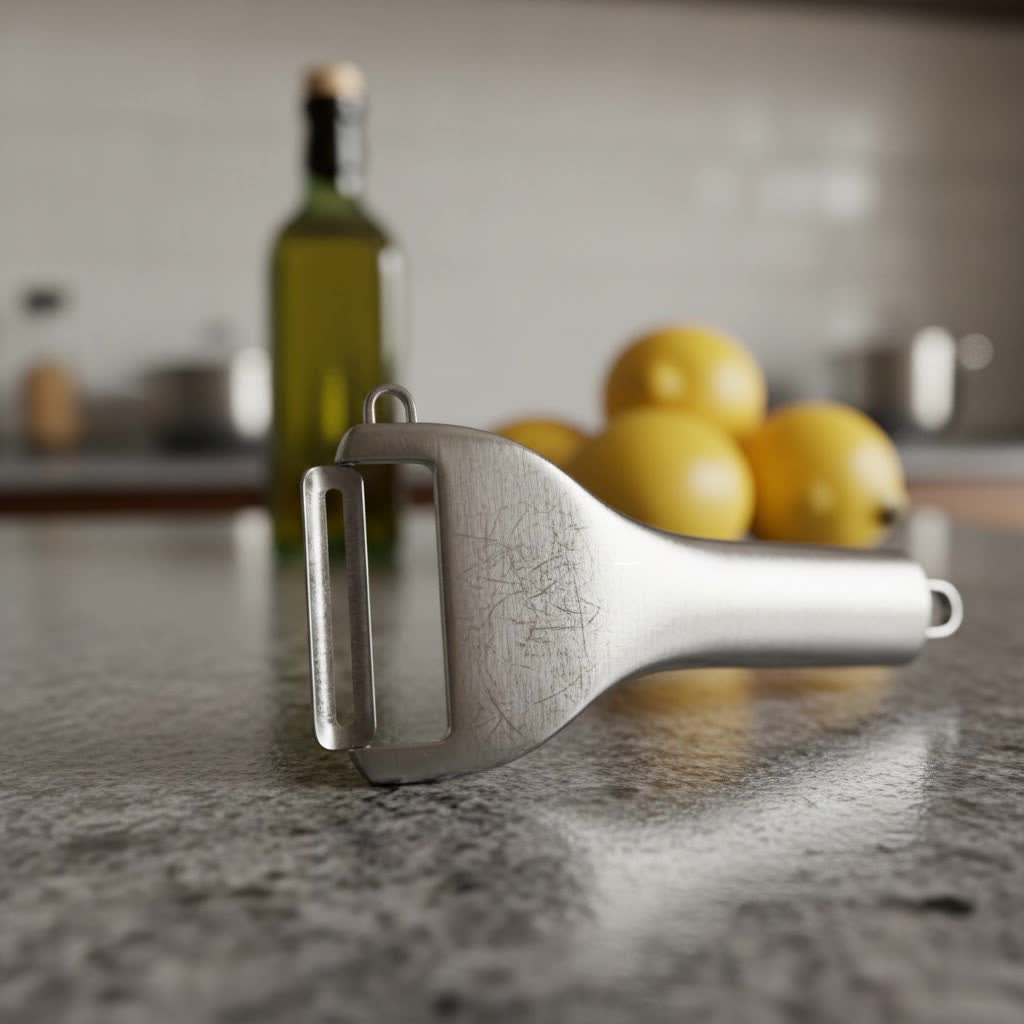
Step into any modern kitchen, and you’ll likely find a sleek, ergonomic potato peeler, perhaps made of stainless steel or high-tech plastic. Yet, there’s a growing appreciation for the vintage potato peeler—a tool that harkens back to simpler times, embodying durability, elegant design, and a connection to culinary heritage. These classic kitchen companions often outperform their contemporary counterparts, proving that some innovations truly stand the test of time. Join us as we explore the fascinating world of vintage potato peelers, uncovering their history, types, and why they continue to captivate both collectors and home cooks alike.
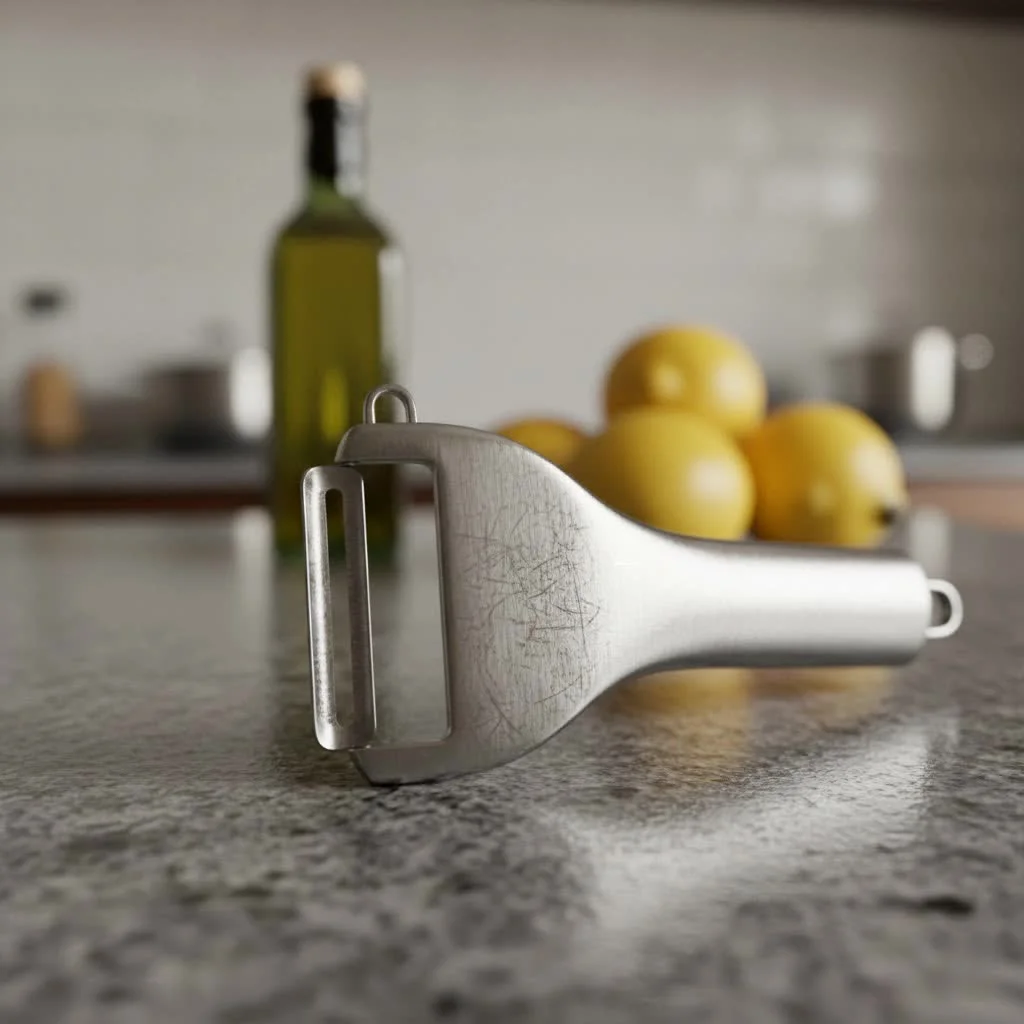
The Timeless Utility: Understanding Vintage Potato Peelers
What exactly defines a “vintage” potato peeler? Generally, these are peelers produced anywhere from the early 20th century up through the 1970s or 80s, before mass production and disposable goods became the norm. They are characterized by their robust construction, often using materials like stainless steel, carbon steel, wood, and Bakelite, rather than lightweight plastics. For expert kitchen tools reviews on this site.
Choosing a vintage potato peeler isn’t just about aesthetics; it’s about investing in a piece of kitchen history that offers unparalleled durability, a satisfying tactile experience, and often superior performance. Many modern peelers, while convenient, simply don’t possess the same heft or craftsmanship, leading to frequent replacements. A vintage model, properly cared for, can easily last a lifetime, echoing the “buy it for life” philosophy that was once commonplace.
A Journey Through Time: The History of the Potato Peeler
The humble potato peeler has a surprisingly rich history, evolving from basic knives to sophisticated mechanical devices. While people have been peeling vegetables for centuries, specialized tools began to emerge in the late 19th century.
One of the earliest documented mentions of a dedicated peeler, or “Sparschäler” (economy peeler), dates back to a Viennese court registration on December 22, 1891, attributed to Joseph Denk. This marked a significant step beyond using a simple paring knife. Fast forward to 1928, when Victor Pouzet introduced the “Econome,” a French straight peeler with a unique blade design featuring two slits, which gained popularity for its efficiency.
A major leap came in 1936 with the German inventor Albert Deimel, who patented his “Famos” potato peeler. This design featured a longitudinally mounted, movable blade, proving so effective that variations of it are still in production today. However, perhaps the most iconic vintage peeler, the “Rex” peeler, was patented internationally in 1947 by the Swiss entrepreneur Alfred Neweczerzal. The Rex peeler introduced the revolutionary transverse movable blade, a design so efficient and elegant it became an icon of Swiss design and was even featured on a Swiss postage stamp in 2004.
Beyond handheld tools, the early 20th century also saw the development of more elaborate machines designed to wash, peel, and even remove eyes and sprouts from potatoes, showcasing continuous innovation in domestic food preparation.
Beyond the Basics: Types of Vintage Potato Peelers
Vintage potato peelers come in several distinct forms, each with its own ergonomic and functional characteristics. Understanding these types can help you appreciate their design and choose one that suits your peeling style.
Straight (Fixed and Swivel Blade)
|
Our Picks for the Best Potato Peeler in 2026
As an Amazon Associate I earn from qualifying purchases.
|
||
| Num | Product | Action |
|---|---|---|
| 1 | Vegetable, Apple Peelers for kitchen, Fruit, Carrot, Veggie, Potatoes Peeler, Y-Shaped and I-Shaped Stainless Steel Peelers, with Ergonomic Non-Slip Handle & Sharp Blade, Good Sturdy (2PCS) |

|
| 2 | Linden Sweden Original Jonas Vegetable Peeler - Rust Resistant Silver Carrot and Potato Peeler with Ergonomic Handle for Safety and Control - Dishwasher Safe and Compact - Made In Sweden - 6.5in |
|
| 3 | Spring Chef Premium Swivel Vegetable Peeler, Soft Grip Handle and Ultra Sharp Stainless Steel Blades - Perfect Kitchen Peeler For Veggie, Fruit, Potato, Carrot, Apple - Black |
|
| 4 | OXO Good Grips Swivel Vegetable Peeler |
|
| 5 | Vegetable Peeler, Multifunction Potato Peelers Stainless Steel Julienne Peeler for Carrots Potatoes Cucumber Squash Melons Fruit |
|
| 6 | Farberware Euro Peeler, a Kitchen Essential for Quick and Easy Peeling of Produce, Chocolate, Cheeses and More. Features Hang-Hole for Easy Storage, Dishwasher Safe, Black |
|
| 7 | OXO Good Grips Y-Peeler |
|
| 8 | Starfrit Rotato Express Electric Peeler - 2 Spare Blades - Safe & Easy to Use - Effortlessly Peels Vegetables and Fruit |
|
| 9 | Beneno Swivel Vegetable Peeler, Razor-Sharp Smooth Peeling Potato Peelers with Stainless Steel Blades, Ergonomic Comfort Non-Slip Rubber Handle, Durable Kitchen Peelers with Potato Eye Remover, Black |
|
| 10 | 2Packs Premium Vegetable Peeler with Wooden Handle and Bottle Opener Stainless Steel Blade Kitchen Tool for Fruit A pple Potato Pumpkin Papaya Zucchini, With Fruit/Vegetable Brush |
|
Straight peelers feature a blade that runs parallel to the handle, much like a traditional knife.
- Fixed Blade: These peelers have a rigid blade that doesn’t pivot. Examples include the Lancashire peeler, often characterized by its round wooden handle, and the French Econome, known for its sturdy construction and dual slits on the blade. They are typically used with a pulling motion towards the body.
- Swivel Blade: While still straight in orientation, the blade on these peelers pivots slightly, allowing it to conform better to the contours of vegetables. Many older stainless steel models feature this design, offering a balance of control and flexibility.
Y-Type (Speed Peeler)
Named for its resemblance to the letter “Y,” this peeler features a blade mounted perpendicularly to the handle.
- Y-peelers are often called “speed peelers” because their design allows for efficient, broad strokes, shaving off skins in strips parallel to the handle, similar to a safety razor.
- The Zena Rex peeler is the quintessential Y-type, famous for its one-piece aluminum handle and pivoting carbon steel blade. Most Y-peelers also incorporate an “eye gouger”—a small loop of metal beside the blade used for removing blemishes from potatoes.
Mechanical/Hand-Crank Peelers
Often made of cast iron, these are larger, countertop devices typically associated with peeling apples, but many can also handle potatoes. They use a hand-crank mechanism to rotate the fruit or vegetable against a stationary blade, peeling it efficiently. These are particularly popular among collectors for their intricate mechanics and rustic charm.
Novelty/Unusual Designs
History also reveals more unusual designs, such as rubber gloves with a rough stone surface, marketed in the mid-22th century as a “housewives’ hero” for potato peeling. While not widely adopted for long, these designs highlight the continuous quest for easier peeling methods.
Craftsmanship That Lasts: Materials and Durability in Vintage Peelers
The enduring appeal of vintage potato peelers lies significantly in their construction. Unlike many contemporary gadgets designed for obsolescence, older peelers were built to last, often featuring superior materials and simpler, more robust designs.
Blade Materials
- Carbon Steel: Many early and mid-20th-century peelers featured carbon steel blades. Known for their exceptional sharpness and ability to hold an edge, carbon steel blades require careful maintenance to prevent rust, but can be easily sharpened.
- Stainless Steel: As technology advanced, stainless steel became prevalent. Vintage stainless steel blades offer excellent corrosion resistance, making them easier to care for than carbon steel, while still providing reliable sharpness.
Handle Materials
- Wood: Wooden handles are common on many antique and vintage peelers, offering a warm, natural feel and good grip. They often develop a beautiful patina over time.
- Bakelite: A type of early plastic, Bakelite handles were popular in the mid-20th century. They are durable, heat-resistant, and come in various colors, adding a touch of retro charm.
- Aluminum: The iconic Zena Rex peeler, for example, features a lightweight yet strong one-piece aluminum handle.
- Other Metals: Some peelers utilized chrome-plated metal or stainless steel for handles, providing a sleek and hygienic option.
The secret to their longevity isn’t just the materials, but also the straightforward engineering. With fewer moving parts and high-quality components, vintage peelers were inherently less prone to breakage, allowing many to function perfectly decades after their manufacture.
> “These older peelers were often crafted with an intentionality that prioritized function and longevity. It wasn’t about mass production, but about making a tool that would serve for generations.” – Admin, reviewraui.com
What to Look For: Factors When Collecting or Buying a Vintage Potato Peeler
Whether you’re a seasoned collector or simply seeking a durable, charming addition to your kitchen, evaluating vintage potato peelers requires a keen eye.
- Blade Condition: The most critical component is the blade. Look for blades that are relatively sharp and free from major chips or excessive rust (though superficial rust on carbon steel can often be removed). A well-maintained edge is key to performance.
- Handle Ergonomics and Material: Examine the handle for cracks, splinters (on wood), or significant wear that could compromise comfort or safety. Ensure it feels balanced and comfortable in your hand. Materials like Bakelite or solid wood should be intact.
- Overall Durability and Construction: Check for any wobbling between the handle and blade, or loose components. The construction should feel solid and robust, indicating good craftsmanship. Mechanical peelers should operate smoothly without excessive grinding or stiffness.
- Authenticity and Markings: Many reputable vintage brands, such as EKCO, W.R. Feemster, Famos, and Zena (Rex/Star), often have their names or patent numbers stamped on the tool. These markings can help verify authenticity and provide insight into the peeler’s origin and age.
- Ease of Cleaning: Consider the design. Peelers with smooth, non-porous surfaces, particularly those made entirely of metal, are generally easier to clean thoroughly. Even an 1890s peeler can be food-grade and easy to rinse if constructed from appropriate materials.
Caring for Your Culinary Relic: Maintenance Tips for Vintage Potato Peelers
To ensure your vintage potato peeler remains a beloved kitchen tool for years to come, proper care is essential, especially given the materials often used.
- Cleaning Techniques: After each use, handwash your peeler with warm, soapy water. Avoid dishwashers, as harsh detergents and high heat can damage wooden handles, cause pitting on some metals, or lead to rust on carbon steel blades. For peelers with wooden handles, ensure they are thoroughly dried immediately after washing to prevent warping or cracking. Peelers with smooth, non-porous surfaces are particularly easy to clean.
- Sharpening Blades: Even the sharpest vintage blade will eventually dull. Carbon steel blades can be honed with a sharpening steel or whetstone. Stainless steel blades may require specialized sharpeners designed for thin blades. A sharp blade is not only more efficient but also safer, as it requires less force to use.
- Preventing Rust: This is crucial for carbon steel blades. Always dry them immediately after washing. Applying a thin coat of food-grade mineral oil to the blade before storage can also help create a protective barrier against moisture. If rust spots appear, they can often be gently scrubbed off with a mild abrasive pad or fine steel wool, followed by re-oiling.
- Proper Storage: Store your vintage peeler in a dry place, away from excessive humidity. A knife block, a drawer organizer, or even a magnetic strip can help protect the blade and handle from damage and prevent accidental cuts.
Top Picks – Notable Vintage Potato Peeler Examples
While individual finds can vary, certain vintage potato peelers consistently stand out for their design, durability, and historical significance.
- The Zena Rex Peeler: This Swiss-made Y-peeler, invented by Alfred Neweczerzal in 1947, is arguably the most recognizable vintage design. Its minimalist aluminum handle and pivoting carbon steel blade offer exceptional performance and remain a testament to functional design. Many cooks swear by its efficiency and comfortable grip.
- EKCO Floating Blade Peelers: EKCO (Edward Katzinger Company) produced a variety of popular kitchen gadgets in the mid-20th century. Their peelers, often featuring a stainless steel floating blade and a comfortable handle (sometimes Bakelite or wood), are widely found and highly regarded for their practical design and lasting sharpness.
- Cast Iron Hand-Crank Apple/Potato Peelers: While primarily known for apples, these robust, often brightly colored, cast iron machines (like the Reading or “Peel Away” models) can efficiently peel large quantities of potatoes. They are a favorite among collectors and those who appreciate mechanical kitchen tools for their functionality and decorative appeal.
- W.R. Feemster Peelers: Often featuring a distinctive design, these American-made peelers are frequently encountered in vintage markets. They represent a solid, functional workhorse from a bygone era of reliable kitchenware.
Conclusion
The vintage potato peeler is far more than just an old kitchen utensil; it’s a bridge to culinary history, a testament to durable design, and a practical tool that continues to serve cooks today. From the pioneering “Sparschäler” to the iconic “Rex,” these peelers showcase a rich evolution of craftsmanship and ingenuity. Opting for a vintage model often means acquiring a tool built with superior materials and attention to detail, promising years—if not decades—of reliable service.
So, the next time you’re preparing a meal, consider reaching for a piece of the past. Will a vintage potato peeler become your new favorite kitchen companion, offering both efficiency and a touch of timeless charm to your culinary adventures?
Frequently Asked Questions
What makes a potato peeler “vintage”?
A potato peeler is generally considered vintage if it was produced between the early 1900s and the 1970s or 80s. These tools often feature robust construction from materials like carbon or stainless steel, wood, Bakelite, or aluminum, and are valued for their durability and classic design over modern plastic alternatives.
Are vintage potato peelers safe to use?
Yes, most vintage potato peelers are safe to use, provided they are in good condition. Inspect the blade for excessive rust or chips, and ensure the handle is secure and free from major cracks. Proper cleaning and maintenance, especially for carbon steel blades, are crucial to ensure hygiene and performance.
How do I clean and maintain an antique potato peeler?
Handwash your antique potato peeler with warm, soapy water immediately after use and dry it thoroughly, especially if it has a carbon steel blade or wooden handle. Avoid dishwashers. For carbon steel, applying a thin layer of food-grade mineral oil can prevent rust. Wooden handles can benefit from occasional conditioning with wood oil.
Where can I buy authentic vintage potato peelers?
Authentic vintage potato peelers can often be found at antique shops, flea markets, estate sales, and online marketplaces like eBay and Etsy. Look for recognizable brands like Zena Rex, EKCO, Famos, or W.R. Feemster, and check seller reviews for authenticity and condition.
What are some famous vintage potato peeler brands?
Some of the most renowned vintage potato peeler brands include the Swiss-designed Zena Rex (and its stainless steel variant, Zena Star), the German Famos peeler, and American brands like EKCO and W.R. Feemster. These brands are often recognized for their innovative designs and long-lasting quality.
Cooking gear we tested in our own kitchens
Free PDF — preheat times measured on 10 popular air fryers.
