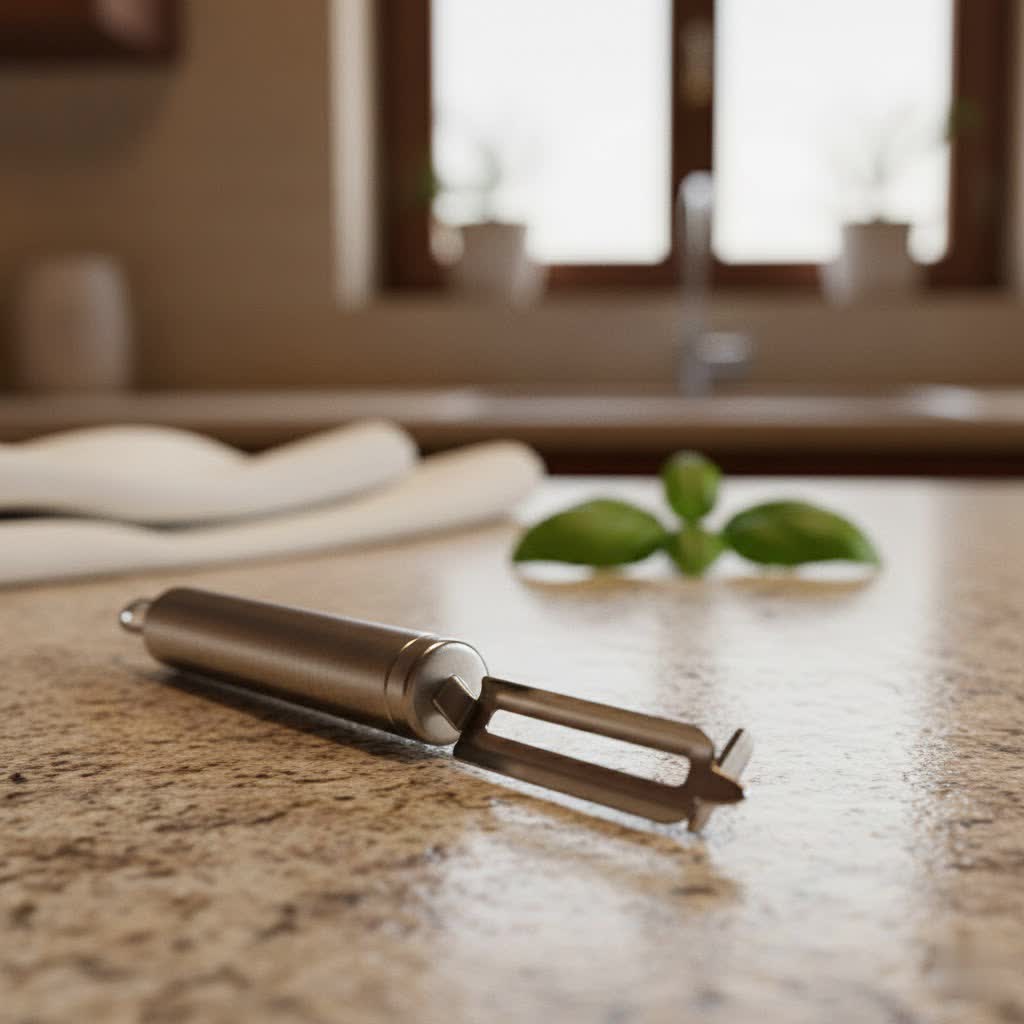
For anyone who spends time in the kitchen, the potato peeler is an unsung hero. What might seem like a simple tool, a well-chosen potato peeler can transform your food preparation from a tedious chore into a swift and satisfying task. After years of testing countless designs, from the most basic to high-tech innovations, I’m here to share insights that will help you find the perfect potato peeler for your culinary needs, ensuring less waste, more efficiency, and greater enjoyment in your kitchen.
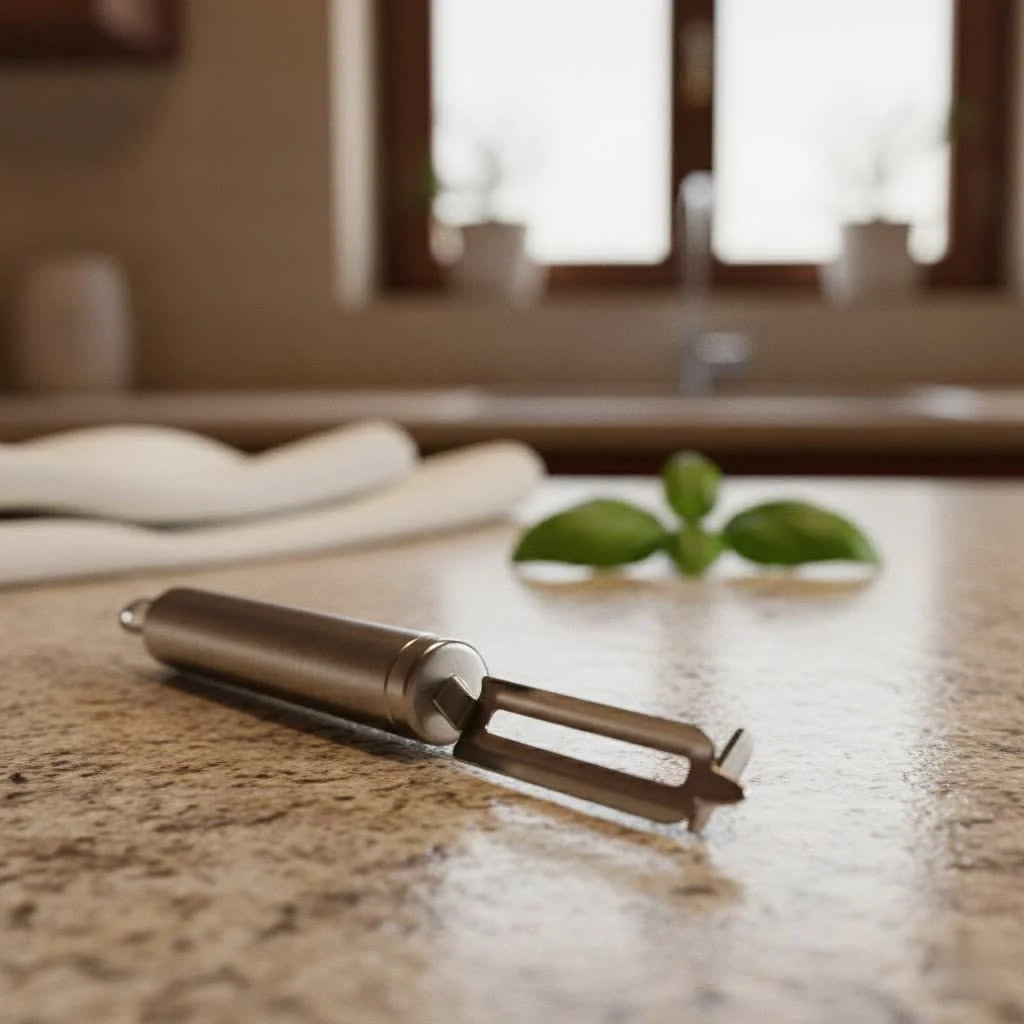
Potato Peeler: General Overview and Best Choices
The world of potato peelers is more diverse than you might imagine, with each type offering distinct advantages for different peeling styles and produce. Understanding these variations is the first step to finding your ideal kitchen companion.
Common Types of Potato Peelers:
- Swivel Peelers (Vertical Blade): These peelers feature a blade that pivots, allowing it to glide along the contours of fruits and vegetables. They are often held like a knife, peeling away from the body.
- Pros: Excellent for irregular shapes like potatoes, apples, and cucumbers, offering precision and adapting well to curves. They are generally intuitive for beginners.
- Cons: The blade might need frequent sharpening, and some users find that potato skin can get trapped in the blade more often than with other types.
- Y-Peelers (Horizontal Blade): Named for their “Y” shape, these peelers have a blade positioned perpendicular to the handle. They are typically used with a pulling motion towards the body.
- Pros: Often praised for their speed and efficiency, especially for larger, round produce like big potatoes, sweet potatoes, and cabbage. Many find the wider handle more comfortable and ergonomic, reducing wrist strain. They are also adept at creating vegetable ribbons.
- Cons: May require a slight adjustment in technique if you’re accustomed to swivel peelers.
- Serrated Peelers: These are a specialized variant, often found in both swivel and Y-peeler designs, featuring a saw-like blade.
- Pros: Ideal for delicate, waxy, or slippery skins such as tomatoes, peppers, and peaches, gripping the skin securely without crushing the soft flesh.
- Cons: Not suitable for precise peeling tasks and can leave ridges on some softer vegetables.
- Palm Peelers: A smaller, more compact design where the peeler fits into the palm of your hand, offering a different grip and peeling technique.
- Pros: Can be beneficial for individuals with limited hand strength or wrist issues, as they offer a unique leverage point.
- Cons: Their smaller size might make them less efficient for large quantities or very large produce.
While each type has its merits, Y-peelers are frequently favored by professional chefs for daily use due to their efficiency, while swivel models with soft-grip handles are often preferred by home cooks, especially those with arthritis, for their comfort and adaptability.
Factors to Consider When Buying a Potato Peeler
Choosing the best potato peeler goes beyond just its type. Several critical factors contribute to its performance, durability, and your overall experience.
Blade Material: The Edge of Excellence
|
Our Picks for the Best Potato Peeler in 2026
As an Amazon Associate I earn from qualifying purchases.
|
||
| Num | Product | Action |
|---|---|---|
| 1 | Farberware Euro Peeler, a Kitchen Essential for Quick and Easy Peeling of Produce, Chocolate, Cheeses and More. Features Hang-Hole for Easy Storage, Dishwasher Safe, Black |

|
| 2 | OXO Good Grips Swivel Vegetable Peeler |
|
| 3 | Linden Sweden Original Jonas Vegetable Peeler - Rust Resistant Silver Carrot and Potato Peeler with Ergonomic Handle for Safety and Control - Dishwasher Safe and Compact - Made In Sweden - 6.5in |
|
| 4 | Starfrit Rotato Express Electric Peeler - 2 Spare Blades - Safe & Easy to Use - Effortlessly Peels Vegetables and Fruit |
|
| 5 | Spring Chef Premium Swivel Vegetable Peeler, Soft Grip Handle and Ultra Sharp Stainless Steel Blades - Perfect Kitchen Peeler For Veggie, Fruit, Potato, Carrot, Apple - Black |
|
| 6 | 2Packs Premium Vegetable Peeler with Wooden Handle and Bottle Opener Stainless Steel Blade Kitchen Tool for Fruit A pple Potato Pumpkin Papaya Zucchini, With Fruit/Vegetable Brush |
|
| 7 | Vegetable, Apple Peelers for kitchen, Fruit, Carrot, Veggie, Potatoes Peeler, Y-Shaped and I-Shaped Stainless Steel Peelers, with Ergonomic Non-Slip Handle & Sharp Blade, Good Sturdy (2PCS) |
|
| 8 | Vegetable Peeler, Multifunction Potato Peelers Stainless Steel Julienne Peeler for Carrots Potatoes Cucumber Squash Melons Fruit |
|
| 9 | Beneno Swivel Vegetable Peeler, Razor-Sharp Smooth Peeling Potato Peelers with Stainless Steel Blades, Ergonomic Comfort Non-Slip Rubber Handle, Durable Kitchen Peelers with Potato Eye Remover, Black |
|
| 10 | OXO Good Grips Y-Peeler |
|
The blade is the heart of any potato peeler, and its material dictates sharpness, longevity, and maintenance.
- Stainless Steel: The most common choice, stainless steel blades are celebrated for being rust-resistant and generally durable. They offer low maintenance and are often dishwasher-safe, making them a popular choice for home cooks. However, they may dull faster than carbon steel, requiring occasional sharpening or replacement.
- Carbon Steel: A favorite among many culinary professionals, carbon steel blades are known for their exceptional sharpness and ability to maintain an edge for longer periods. This allows for clean, efficient peeling. The trade-off is that carbon steel is prone to rusting if not dried immediately and thoroughly after washing, and it can be more brittle, susceptible to breaking if dropped.
- Ceramic: Ceramic blades are incredibly sharp and retain their edge for a very long time without rusting. They are also lightweight. The main disadvantage is their fragility; ceramic can chip or break easily if dropped or used on very hard produce.
Handle Design: Comfort in Your Hand
An ergonomic handle is crucial for comfort, control, and safety, especially during extended peeling sessions.
- Ergonomic Importance: A well-designed handle reduces strain on your hand and wrist, minimizing fatigue. Look for handles that fit comfortably in your hand, offering a secure grip whether wet or dry.
- Handle Materials:
- Plastic: Lightweight and affordable, but can become slippery when wet.
- Metal: Durable and hygienic, but can be cold to the touch and less forgiving on hands.
- Rubberized/Soft-Grip: Often preferred for comfort and non-slip properties, providing stability and control, even with wet or greasy hands. These are especially important for individuals with grip issues.
Durability and Lifespan: An Investment in Your Kitchen
A quality potato peeler should be a long-lasting kitchen tool, not a disposable gadget.
- Assessing Durability: The best way to gauge durability is by the quality of materials and construction. Sturdy blade-to-handle connections, robust blade material, and well-integrated parts indicate a longer lifespan. Consider models with replaceable blades for extended use.
- Maintenance for Longevity: Proper care, including thorough cleaning and drying after each use, is key. Storing your peeler with a protective cover can also shield the blade and prevent accidental damage or injury. Avoid soaking peelers with plastic or wooden handles, as this can lead to warping or cracking.
Ease of Cleaning: A Quick Rinse or a Deep Scrub?
Nobody wants a peeler that’s a nightmare to clean.
- Design for Cleaning: Simple designs with minimal crevices are generally easier to clean. Dishwasher-safe models are a convenience, but hand-washing is often recommended for preserving blade sharpness, especially for carbon steel.
- Cleaning Tips: After each use, rinse the peeler under warm water to remove loose debris. Use mild dish soap and a brush to gently scrub the blade and handle, paying attention to any nooks where food residue might accumulate. Always dry thoroughly to prevent rust.
Comparing Popular Potato Peeler Types
To help you visualize the differences, here’s a comparison of the most common manual potato peeler types:
| Feature | Swivel Peeler (Vertical) | Y-Peeler (Horizontal) | Serrated Peeler (Vertical/Horizontal) |
|---|---|---|---|
| Blade Material | Stainless Steel, Carbon Steel | Stainless Steel, Carbon Steel, Ceramic | Stainless Steel |
| Handle Design | Often ergonomic, various materials, sometimes slim | Often ergonomic, wider grip, various materials | Similar to Swivel or Y-Peeler designs |
| Peeling Motion | Back-and-forth, away from body | Pulling motion, towards body | Back-and-forth or pulling, depending on design |
| Best Used For | Irregular shapes (potatoes, apples, cucumbers) | Large, round produce (big potatoes, squash) | Soft/waxy skins (tomatoes, peaches, peppers) |
| Precision | High, adapts to contours | High, efficient straight strokes | Good for specific textures, less for precision |
| Comfort | Good, but can strain wrist for large tasks | Excellent for extended use, less wrist strain | Varies by base design |
| Ease of Use | Intuitive for most users | May require slight adaptation, then very efficient | Effective for specific tasks, otherwise limited |
| Typical Price | £5 – £15 | £5 – £20 | £7 – £18 |
Detailed Analysis:
While swivel peelers are a classic choice and versatile for many kitchen tasks, Y-peelers often outperform them in speed and comfort, especially when tackling a large batch of potatoes. Their design allows for a more natural hand position and broader strokes. Serrated peelers are a specialized tool, indispensable for specific produce but not a general all-rounder. Ultimately, the “best” peeler is one that aligns with your individual peeling habits and the types of vegetables you prepare most often.
Potato Peeler Buying Guide: Making the Right Choice
With so many options, how do you pinpoint the best potato peeler for your kitchen? Here’s a practical guide to navigate your purchase.
Determine Your Usage Needs: Your Kitchen, Your Rules
Before browsing, take a moment to consider your specific requirements.
- What produce do you usually peel? If it’s mostly potatoes, a robust Y-peeler might be your best bet. For a variety of fruits and vegetables, a versatile swivel peeler could be more appropriate. For delicate items like tomatoes, a serrated peeler is ideal.
- How often do you use a peeler? If you peel potatoes frequently or in large quantities, investing in a high-quality, ergonomic model is wise to prevent hand fatigue. For occasional use, a simpler, budget-friendly option may suffice.
- What’s your budget? Potato peelers range from a few pounds to over twenty. Determine what you’re willing to spend, keeping in mind that a slightly higher investment often translates to better durability and performance.
Research Reputable Brands: Trust in Quality
Certain brands consistently deliver quality and innovation in kitchen tools.
- OXO Good Grips: Widely acclaimed for their ergonomic designs and comfortable, non-slip handles. They offer excellent swivel and Y-peelers that are highly rated for efficiency and durability.
- Kuhn Rikon: Known for their sharp blades and effective designs, particularly their original Swiss peelers which are a favorite for many.
- Victorinox: A brand synonymous with quality knives, they also produce reliable and sharp peelers, often favoring traditional designs.
- Spring Chef, KitchenAid, Cuisinart: These brands also offer popular peelers with good reviews, often focusing on sturdy construction and user comfort.
Read Reviews and Compare Prices: Informed Decisions
Customer reviews provide invaluable real-world feedback on a product’s performance and durability.
- Seek User Experiences: Look for comments on blade sharpness, ease of grip, how well it peels different types of produce, and how it holds up over time. Pay attention to common complaints or praises.
- Shop Around: Prices can vary between retailers, so compare options online and in physical stores. Sometimes, buying a multipack can offer better value if you need more than one peeler or different types.
Check Warranty and Return Policy: Peace of Mind
Even the best products can occasionally have defects. A good warranty and return policy offer protection for your purchase.
- Warranty: Look for peelers with a manufacturer’s warranty, which indicates the company stands behind its product’s quality.
- Return Policy: Understand the retailer’s return policy. This ensures you can exchange or return the peeler if it doesn’t meet your expectations or if you encounter any issues after purchase.
Top Picks – The Best Potato Peelers Today
Based on extensive experience and industry insights, here are some top recommendations for potato peelers that excel in performance, comfort, and durability:
- OXO Good Grips Pro Swivel Peeler: This peeler consistently earns high marks for its comfortable, oversized, soft-grip handle and exceptionally sharp stainless steel blade. It features an integrated potato eyer and a swiveling action that adapts to various vegetable shapes. It’s an excellent all-rounder for both left and right-handed users.
- Pros: Superb ergonomics, sharp blade, versatile, built-in eyer, dishwasher safe.
- Cons: Some users find the swivel action takes getting used to if accustomed to fixed blades.
- Kuhn Rikon Original Swiss Peeler: A budget-friendly powerhouse, this Y-peeler is famed for its incredibly sharp carbon steel blade, which provides effortless peeling. Its lightweight design and efficient performance make it a long-standing favorite among home cooks and professionals alike.
- Pros: Extremely sharp, very efficient, affordable, lightweight.
- Cons: Carbon steel requires careful drying to prevent rust; the simple handle may not be as comfortable for all users over long periods.
- OXO Good Grips Y-Peeler: Offering the same commitment to comfort as its swivel counterpart, this Y-peeler provides a broad, ergonomic handle and a sharp stainless steel blade. It’s particularly effective for large, round vegetables and fast peeling.
- Pros: Comfortable grip, efficient for large produce, sharp blade, built-in eyer.
- Cons: May not be as precise for very small or irregularly shaped items compared to a swivel peeler.
- Spring Chef Premium Swivel Vegetable Peeler: This peeler features dual, straight stainless steel blades and a ridged, non-slip handle. It’s praised for its smooth swiveling action and ability to produce thin peels, minimizing waste.
- Pros: Very sharp, excellent swivel action, non-slip handle, good for thin peels.
- Cons: The ridged handle may not fit all hand sizes perfectly.
> “The right potato peeler isn’t just a convenience; it’s a fundamental tool that saves time, reduces waste, and makes cooking a joy instead of a chore. Invest wisely, and your kitchen will thank you.” – Chef Antoine Dubois, Culinary Equipment Specialist
Conclusion
Choosing the ideal potato peeler can significantly impact your efficiency and enjoyment in the kitchen. By understanding the different types, considering blade materials, handle ergonomics, and ease of cleaning, you can select a tool that perfectly suits your cooking style and needs. Whether you opt for the swift efficiency of a Y-peeler or the versatile precision of a swivel peeler, a quality potato peeler is an indispensable asset that ensures smooth, safe, and satisfying food preparation every time. Which potato peeler will become the next essential item in your kitchen drawer?
Frequently Asked Questions
What are the main types of potato peelers?
The primary types of potato peelers are swivel peelers, which have a pivoting vertical blade, and Y-peelers, featuring a horizontal blade perpendicular to the handle. Each type offers distinct benefits for different produce shapes and peeling techniques, with swivel peelers excelling on irregular items and Y-peelers favored for speed on larger, round vegetables.
Is stainless steel or carbon steel better for a potato peeler blade?
Stainless steel blades are rust-resistant and low maintenance, ideal for home cooks, though they may dull faster. Carbon steel blades, preferred by many professionals, are exceptionally sharp and hold their edge longer but require meticulous drying to prevent rust and are more prone to breakage.
How important is an ergonomic handle on a potato peeler?
An ergonomic handle is highly important as it enhances comfort, control, and safety, especially during prolonged peeling tasks. Handles with soft-grip or rubberized materials reduce hand fatigue and prevent slipping, making the peeling process much more pleasant and efficient for all users, including those with grip issues.
How do I clean and maintain my potato peeler?
To clean your potato peeler, rinse it immediately after use under warm water to remove debris. Use mild dish soap and a brush for thorough cleaning, paying attention to crevices. Always dry the peeler completely to prevent rust, especially for carbon steel blades. Store it in a dry place, ideally with a protective cover, to maintain sharpness and extend its lifespan.
Cooking gear we tested in our own kitchens
Free PDF — preheat times measured on 10 popular air fryers.
