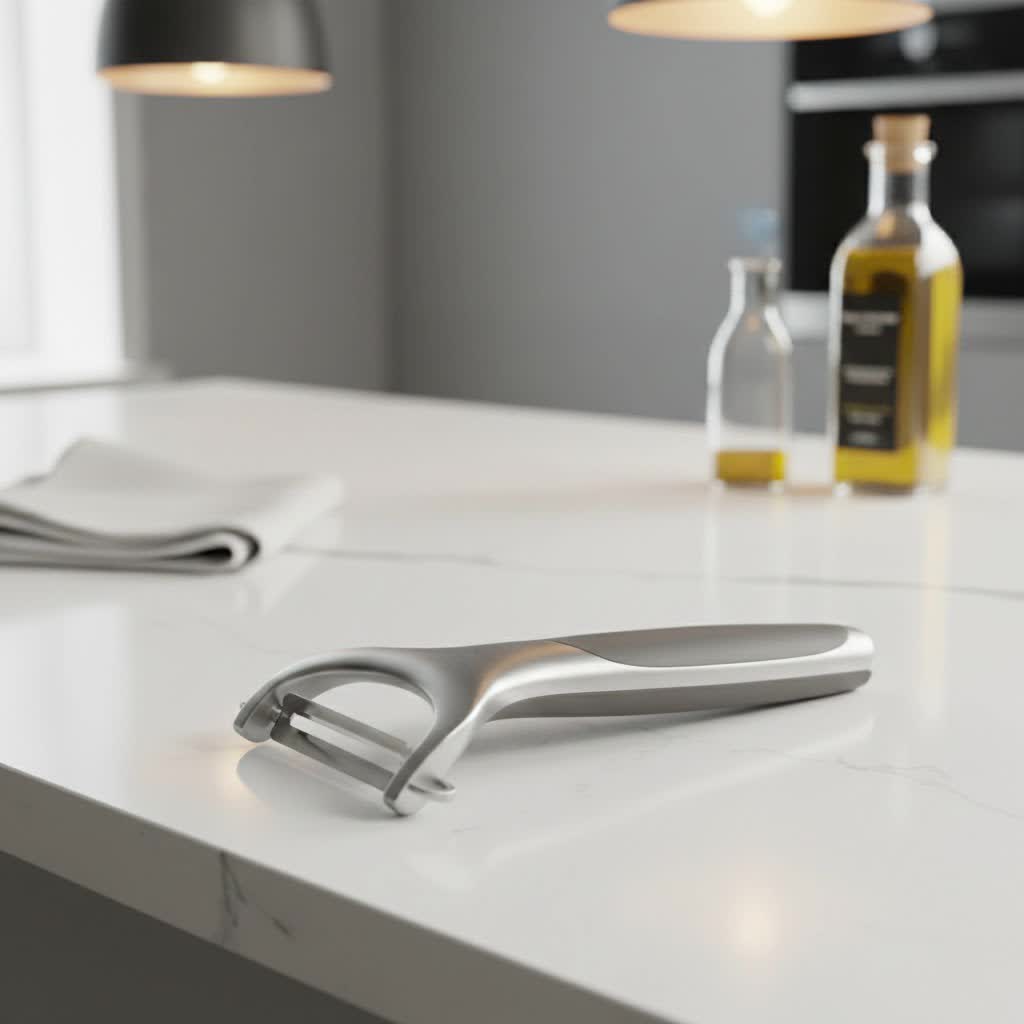
Have you ever wondered about the stories hidden within your kitchen tools? While modern kitchens boast an array of high-tech gadgets, there’s a unique charm in the simplicity and enduring quality of a vintage potato peeler. These unassuming tools, often passed down through generations, offer a tangible connection to culinary history, promising not just functionality but also a touch of nostalgia. Far from being mere relics, vintage potato peelers represent an era of craftsmanship and durability, often outperforming their contemporary counterparts.
This guide delves into the fascinating world of vintage potato peelers, exploring their rich history, key features that make them collectible, and practical advice on how to find, evaluate, and care for these timeless kitchen essentials. Join us as we uncover why these classic peelers are more than just tools—they are cherished pieces of culinary heritage waiting to be rediscovered. For best kitchen tools roundups on this site.
Vintage Potato Peelers: A Journey Through Kitchen History
The humble potato peeler, an indispensable kitchen tool, has a surprisingly rich history, with significant innovations shaping its design over the past century. Before specialized peelers, cooks relied on paring knives, a more time-consuming and often wasteful method. The concept of a dedicated peeling tool began to emerge in the late 19th and early 20th centuries, driven by the desire for efficiency and economy in the kitchen.
One of the earliest documented references to a specialized peeler, or “Sparschäler” (economy peeler), dates back to an 1891 registration in Vienna by Joseph Denk. This early design aimed to “economize” by removing only the thinnest layer of peel. Fast forward to 1928, when Victor Pouzet introduced the French “Econome” peeler, featuring a fixed blade with two slits, a design still in use today. A pivotal moment arrived in 1936 with the German Albert Deimel’s patented “Famos” potato peeler, notable for its longitudinally mounted, movable blade.
However, the peeler that truly revolutionized kitchens globally was the “Rex” peeler. Invented in 1947 by Alfred Neweczerzal of Switzerland, the Rex was the first peeler with a transverse (Y-shaped) movable blade. Its ergonomic design, lightweight aluminum handle, and pivoting carbon steel blade quickly made it a kitchen staple. Over 50 million Rex peelers have been sold, cementing its status as an icon of Swiss design and even featuring on a Swiss postage stamp in 2004. Another influential design, the Jonas peeler, emerged from Sweden in 1953, featuring a straight pivoting blade attached to an oblong metal loop handle, a design that became standard in the U.S. for decades.
Vintage potato peelers typically fall into a few main categories:
- Straight Peelers: These resemble a knife, with the blade parallel to the handle. They can have fixed or pivoting blades, like the early Lancashire or French Econome designs.
- Y-Peelers (Speed Peelers): Characterized by a blade perpendicular to the handle, similar to a safety razor. The Rex peeler is the most famous example of this type. Most Y-peelers also include an “eye gouger” tool for removing blemishes from potatoes.
- Mechanical Peelers: Less common for simple potato peeling but often seen for apples, these crank-operated devices peel, core, and sometimes slice in one motion. Early versions could also be adapted for potatoes.
The enduring appeal of vintage peelers lies in their robust construction, often using superior materials to many modern mass-produced alternatives. They offer a tangible connection to culinary heritage, a sustainable choice by reusing existing items, and often a distinctive aesthetic appeal that adds character to any kitchen.
Identifying and Evaluating Vintage Potato Peelers
For those looking to appreciate or acquire vintage potato peelers, understanding their characteristics is key. These tools tell a story through their materials, design, and even their wear.
Blade Materials
|
Our Picks for the Best Potato Peeler in 2026
As an Amazon Associate I earn from qualifying purchases.
|
||
| Num | Product | Action |
|---|---|---|
| 1 | OXO Good Grips Swivel Vegetable Peeler |

|
| 2 | Farberware Euro Peeler, a Kitchen Essential for Quick and Easy Peeling of Produce, Chocolate, Cheeses and More. Features Hang-Hole for Easy Storage, Dishwasher Safe, Black |
|
| 3 | Linden Sweden Original Jonas Vegetable Peeler - Rust Resistant Silver Carrot and Potato Peeler with Ergonomic Handle for Safety and Control - Dishwasher Safe and Compact - Made In Sweden - 6.5in |
|
| 4 | Starfrit Rotato Express Electric Peeler - 2 Spare Blades - Safe & Easy to Use - Effortlessly Peels Vegetables and Fruit |
|
| 5 | Vegetable, Apple Peelers for kitchen, Fruit, Carrot, Veggie, Potatoes Peeler, Y-Shaped and I-Shaped Stainless Steel Peelers, with Ergonomic Non-Slip Handle & Sharp Blade, Good Sturdy (2PCS) |
|
| 6 | OXO Good Grips Y-Peeler |
|
| 7 | Spring Chef Premium Swivel Vegetable Peeler, Soft Grip Handle and Ultra Sharp Stainless Steel Blades - Perfect Kitchen Peeler For Veggie, Fruit, Potato, Carrot, Apple - Black |
|
| 8 | 2Packs Premium Vegetable Peeler with Wooden Handle and Bottle Opener Stainless Steel Blade Kitchen Tool for Fruit A pple Potato Pumpkin Papaya Zucchini, With Fruit/Vegetable Brush |
|
| 9 | Vegetable Peeler, Multifunction Potato Peelers Stainless Steel Julienne Peeler for Carrots Potatoes Cucumber Squash Melons Fruit |
|
| 10 | Beneno Swivel Vegetable Peeler, Razor-Sharp Smooth Peeling Potato Peelers with Stainless Steel Blades, Ergonomic Comfort Non-Slip Rubber Handle, Durable Kitchen Peelers with Potato Eye Remover, Black |
|
The material of a vintage peeler’s blade significantly impacts its performance and longevity.
- Stainless Steel: Widely used in later vintage models (mid-20th century onwards), stainless steel blades are corrosion-resistant and generally easier to maintain. They offer good durability and can often be sharpened to a fine edge.
- Carbon Steel: Found in older and some classic designs (like the original Rex peeler), carbon steel blades are known for their exceptional sharpness and ability to hold an edge. However, they are prone to rust and require more diligent care, such as immediate drying after washing. A visible patina on a carbon steel blade is a sign of age and proper care, not necessarily damage.
Handle Designs
Vintage peeler handles showcase a variety of materials and ergonomic considerations that reflect their era.
- Wood: Common in older models, wooden handles offer a warm, natural feel and excellent grip. Hardwoods like oak or beech were often used. Over time, wood can show charming signs of age, but it can also crack or dry out if not cared for.
- Bakelite/Early Plastics: Appearing from the early to mid-20th century, Bakelite was one of the first plastics used for kitchenware. These handles are typically rigid, durable, and come in various colors (black, butterscotch, red, green). They are heat-resistant but can become brittle with age or extreme temperature changes.
- Metal (Aluminum, Stainless Steel, Tin): Many vintage peelers, especially Y-peelers, featured one-piece metal designs (like the Rex’s aluminum handle) or metal handles with simple, functional shapes (e.g., the Jonas peeler’s oblong metal loop). These are often highly durable and easy to clean. Tin was sometimes used for more basic or advertising-emblazoned handles, as seen with some Morton Salt peelers.
Construction and Durability
The construction of a vintage peeler speaks volumes about its quality. Look for:
- Solid Rivets: Blades securely fastened with rivets, rather than screws or cheap adhesives, indicate a more robust construction.
- Minimal Flex: A well-made peeler should feel solid in hand with minimal flex in the blade or handle connection.
- Smooth Mechanism (for swivel/mechanical types): For swivel peelers, the pivot should move smoothly without excessive looseness or sticking. For mechanical peelers, all gears and moving parts should operate freely.
Brands and Markings
Identifying the manufacturer can provide clues about a peeler’s age, quality, and origin. Some notable vintage brands and designs to look for include:
- EKCO (USA): Known for producing a wide range of kitchen tools, including popular “floating blade” peelers.
- Zena Rex (Switzerland): The iconic Y-peeler, often marked “REX SWISS MADE”.
- Linden Sweden (Jonas Peeler): The classic straight swivel peeler, often marked “LINDEN SWEDEN”.
- Famos (Germany): Known for its longitudinal blade design.
- Hamlinite: Older peelers sometimes made with tin and stone elements.
- Morton Salt: Often had advertising branding on tin or early plastic handles.
- A&J (USA): Another manufacturer of quality kitchen tools.
Examine the handle and blade for stamped or etched brand names, patent numbers, or country of origin. These markings can help date the item and confirm its authenticity.
Caring for Your Vintage Potato Peeler
Owning a vintage potato peeler is a rewarding experience, but it comes with the responsibility of proper care to preserve its functionality and antique charm. Different materials require specific attention to ensure your peeler lasts for many more decades.
Cleaning and Rust Prevention
The key to preserving vintage peelers, especially those with carbon steel blades or wooden handles, is mindful cleaning.
- Immediate Hand Washing: Always hand wash your vintage peeler immediately after use. Dishwashers, with their harsh detergents and high temperatures, can damage wooden handles, corrode carbon steel, and dull blades.
- Gentle Soap and Water: Use warm water and a mild dish soap. Scrub gently with a soft brush or sponge to remove any food residue.
- Thorough Drying: This is the most crucial step, especially for carbon steel blades. Dry the peeler immediately and completely with a soft towel. Even a tiny bit of moisture can lead to rust.
- Oiling Carbon Steel: For carbon steel blades, consider applying a very thin coat of food-grade mineral oil after drying. This creates a protective barrier against moisture.
- Conditioning Wooden Handles: Periodically, wooden handles can benefit from a light application of mineral oil or beeswax to prevent them from drying out and cracking.
Sharpening Vintage Blades
Many vintage peeler blades, particularly those made of good quality stainless or carbon steel, can be sharpened.
- Angle Consistency: Maintain the original bevel angle of the blade. A fine sharpening stone or ceramic rod can be used.
- Gentle Approach: Use a light touch; vintage blades might be thinner or have different steel properties than modern ones.
- Professional Sharpening: If you’re unsure, a professional knife sharpener can safely restore the edge without damaging the blade.
Storage Tips
Proper storage prevents damage and preserves the peeler’s condition.
- Dry Environment: Store your peeler in a dry place to prevent rust, especially if it has a carbon steel blade.
- Protection from Scratches: Avoid tossing it into a drawer with other metal utensils, which can scratch handles and dull blades. Consider a separate compartment, a magnetic knife strip, or a small block for protection.
- Avoid Extreme Temperatures: Drastic temperature changes can affect handle materials, particularly wood and older plastics.
Where to Find and What to Pay for Vintage Potato Peelers
Embarking on the hunt for a vintage potato peeler can be a delightful journey, connecting you with pieces of culinary history. These tools are generally affordable, but their value can vary based on several factors.
Popular Hunting Grounds
The best places to find vintage potato peelers are often where other antique and collectible kitchenware resides.
- Antique Shops and Flea Markets: These are treasure troves for unique finds. You can physically inspect the peeler’s condition, feel its weight, and sometimes even learn about its history from sellers. Prices can be negotiable.
- Online Marketplaces: Websites like eBay and Etsy are excellent resources.
- eBay: Offers a vast selection, from individual peelers to lots of vintage kitchen tools. Look for clear photos and detailed descriptions of condition.
- Etsy: Specializes in handmade and vintage items, often from independent sellers who are passionate about their wares. You might find more curated or unique pieces here.
- Estate Sales and Garage Sales: Less predictable but can yield incredible bargains, especially if the sellers aren’t aware of the item’s historical value.
- Thrift Stores: Similar to garage sales, thrift stores occasionally have vintage kitchen gadgets at very low prices. It requires patience and frequent visits.
Price Guide
The price of a vintage potato peeler can range from a few dollars to upwards of $50 or more for rare or highly collectible pieces. Factors influencing value include:
- Rarity: Some brands or specific models are less common, increasing their collectible value.
- Condition: A peeler in excellent condition with a sharp blade, intact handle, and minimal wear will command a higher price. Rust, significant pitting, or damaged handles will decrease value.
- Brand and History: Iconic designs like the Zena Rex or early models from well-known manufacturers (e.g., EKCO) tend to be more sought after. Peelers with interesting historical advertising (like Morton Salt) can also fetch a premium.
- Material: Peelers made from higher quality materials (e.g., solid brass, good carbon steel with a well-preserved wooden handle) might be more valuable than those made from more common plastics.
What to Look For Before Buying
When evaluating a vintage peeler, consider these points:
- Blade Sharpness and Integrity: Check for nicks, dullness, or excessive rust. While some dullness can be sharpened, severe damage might be irreparable.
- Handle Condition: Inspect for cracks, chips, looseness, or significant discoloration. A comfortable and sturdy handle is essential.
- Overall Sturdiness: Hold the peeler and feel its balance. There should be no wobbling or excessive play between the blade and handle.
- Originality: While some wear is expected and even desirable, look for signs that the peeler is largely in its original state, rather than poorly repaired or heavily modified.
Top Picks: Iconic Vintage Potato Peelers to Seek Out
For collectors and home cooks alike, certain vintage potato peelers stand out due to their innovative design, lasting quality, or historical significance.
- The Zena Rex Peeler (Swiss, 1947): This Y-peeler is arguably the most famous and influential design. Characterized by its lightweight, one-piece aluminum handle and pivoting carbon steel blade, the Rex is celebrated for its efficiency and ergonomic comfort. A true classic of Swiss design, it’s a must-have for any vintage kitchen enthusiast.
- The Jonas Peeler (Swedish, 1953): Often recognized by its distinct oblong metal loop handle and straight pivoting blade, the Jonas peeler became a household staple in the United States for decades. Made by Linden Sweden, it’s known for its robust all-stainless steel construction (in later versions) and ambidextrous design.
- EKCO “Floating Blade” Peelers (USA, Mid-20th Century): EKCO produced numerous variations of straight peelers with a distinctive “floating” or swivel blade. These were incredibly common in American kitchens and are appreciated for their simple, effective design and durable metal or early plastic handles.
- Famos Potato Peeler (German, 1936): Patented by Albert Deimel, the Famos peeler features a unique longitudinal movable blade. Its enduring design means you can sometimes find these robust German-made peelers that still work perfectly today.
- Peelers with Unique Handle Materials (e.g., Bakelite, Wood): Beyond specific brands, seek out peelers that showcase the materials of their era, such as those with vibrant Bakelite handles (often from the 1930s-1950s) or beautifully aged wooden handles from earlier periods. These offer a strong aesthetic and tactile connection to the past.
Each of these examples represents a blend of historical significance, functional design, and enduring quality that makes vintage potato peelers so appealing.
Conclusion
Vintage potato peelers are more than just old kitchen tools; they are tangible pieces of culinary history that bring character, reliability, and a touch of nostalgia to the modern kitchen. From the pioneering designs of the Econome and Famos to the globally recognized Zena Rex and the utilitarian Jonas peeler, each piece tells a story of innovation and enduring craftsmanship.
By understanding the different types, materials, and historical significance, you can confidently identify, evaluate, and care for these timeless treasures. Whether you’re a seasoned collector or simply seeking a durable, charming alternative to contemporary gadgets, exploring the world of vintage potato peelers offers a unique and rewarding experience. So, next time you’re preparing a meal, consider reaching for a peeler with a past. What hidden stories will it help you uncover in your kitchen?
Frequently Asked Questions
Are vintage potato peelers still safe and effective to use?
Yes, many vintage potato peelers are still perfectly safe and highly effective. Their designs were often simple and robust, and with proper cleaning and occasional sharpening, they can perform as well as, or even better than, many modern peelers. Always inspect the blade for rust or damage before use.
How can I tell if a potato peeler is truly vintage or just old?
Look for design cues (such as handle materials like Bakelite or specific metal designs), patent numbers, brand names, and country of origin markings. Researching these details can help date the item. The overall craftsmanship, often more substantial than modern equivalents, can also be an indicator.
What should I do if my vintage potato peeler has rust?
For light surface rust on carbon steel, you can often remove it with fine steel wool or a rust eraser, followed by thorough cleaning and oiling with food-grade mineral oil. For deep pitting or severe rust, especially on the blade, it might be best to seek professional restoration or consider it a decorative piece, as extensive rust can compromise safety and effectiveness.
Are vintage potato peelers more environmentally friendly?
Absolutely. Choosing a vintage potato peeler is a sustainable act of reuse, reducing demand for new manufacturing and diverting items from landfills. Their inherent durability also means they have a longer lifespan, further contributing to a more eco-conscious kitchen.
Cooking gear we tested in our own kitchens
Free PDF — preheat times measured on 10 popular air fryers.
